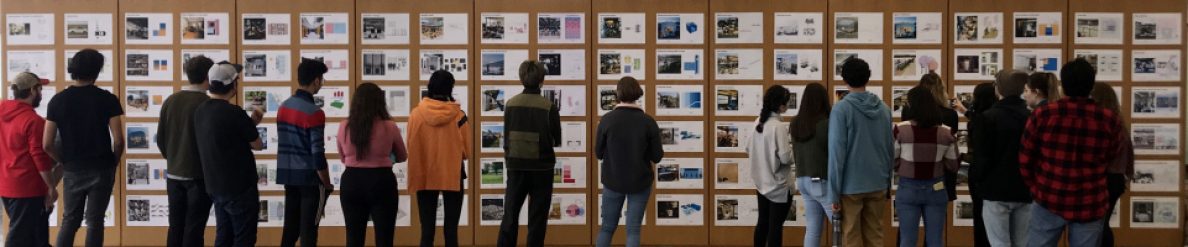
Populations and Programs
For most of my life I’ve been a rock climber, so when the idea of rock climbing as a shared program on the blog really stood out to me as something I might be interested in exploring architecturally. With the knowledge that Uptown is a gentrifying community and the fact that there is already a climbing gym right down the street from our site, it’s clear that rock climbing has potential to be of interest to not only current residents of the neighborhood but also into the future. I think it could also be super interesting to explore the different ways that rock climbing and architecture can work together to combat some of the negative effects of gentrification such as out-pricing of current long time residents who have lower incomes. Ideally I’d like to create an architecture that creates spaces for a diverse array of people and also provides opportunities for those groups to come together.
Sharing
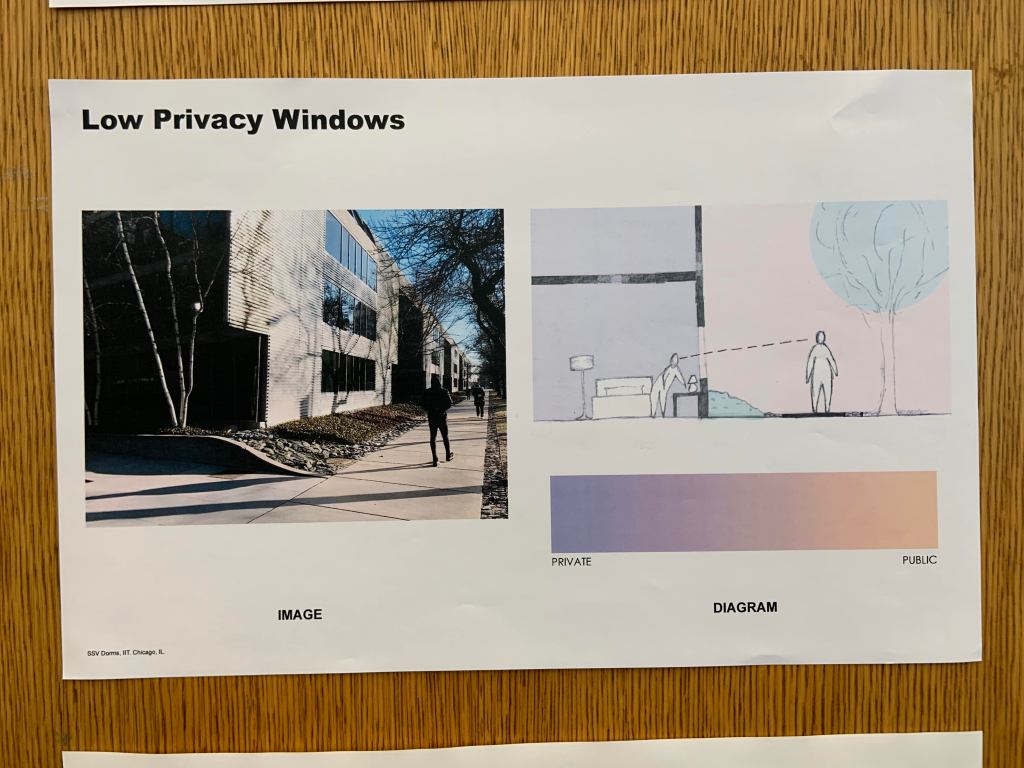
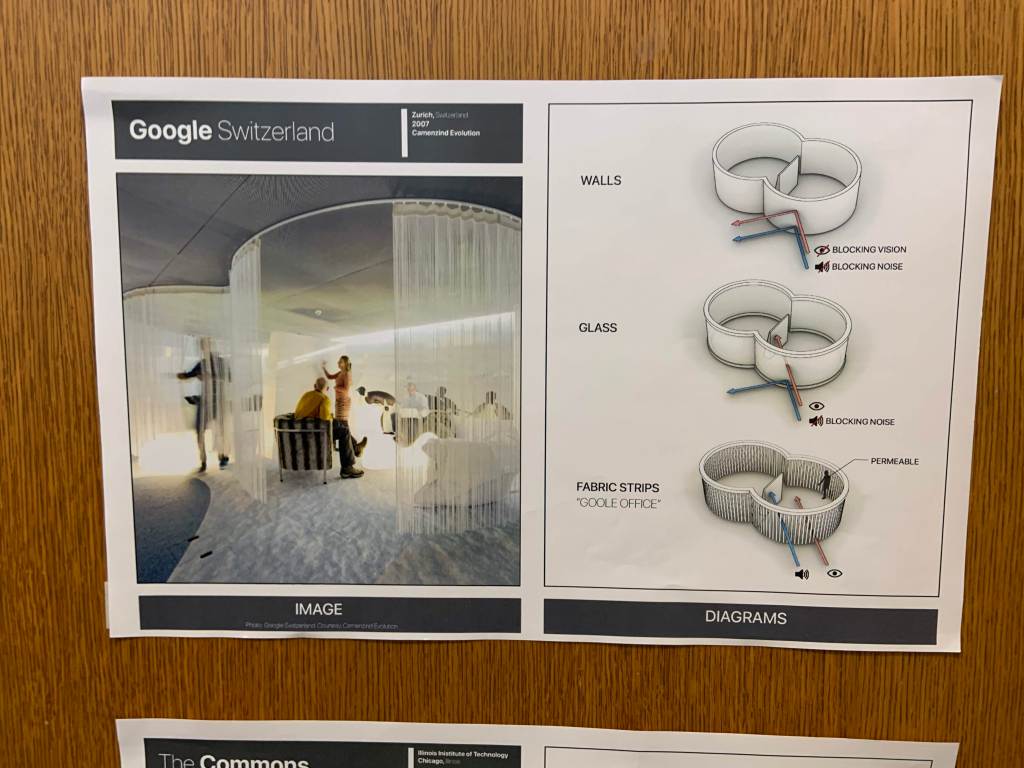
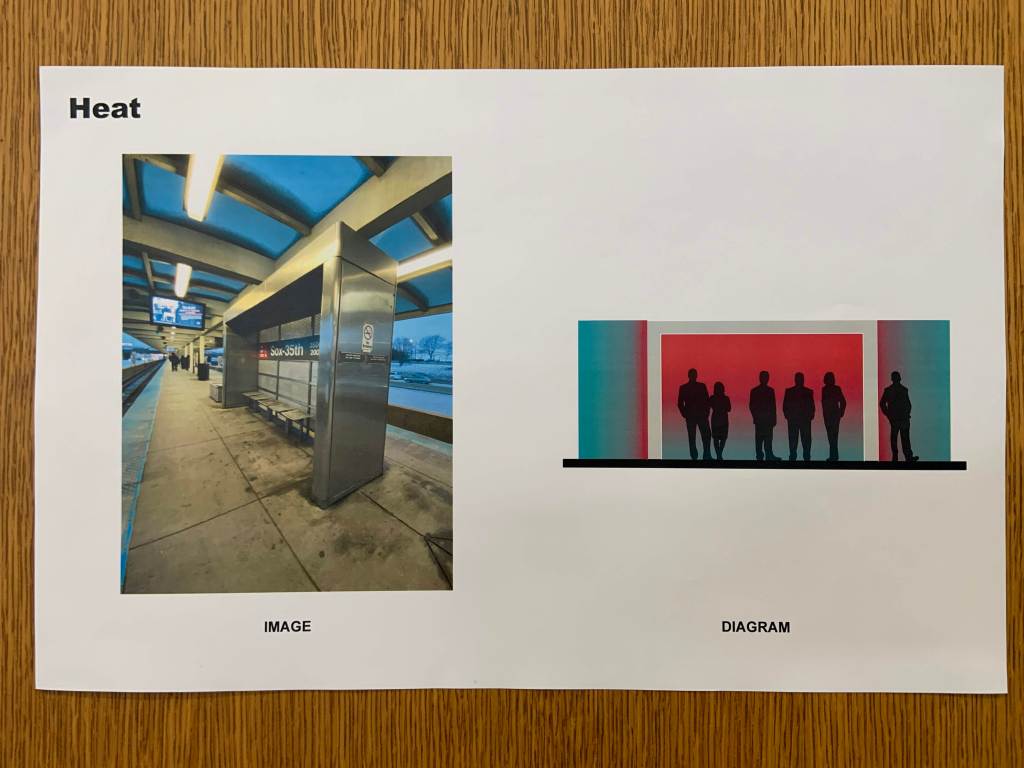
The first image shows an interesting and very simple concept of sharing in which windows open onto circulation paths. Where this might not be desirable in the case of the first floor of SSV, it could be interesting and applied in a less intrusive way. The second image shows an interesting concept of selective public/privacy which is defined by the space’s user. The third image was interesting to me because I liked the graphic style and representation of the concept but also it shows how people tend to gather in places that provide for their needs, in this case the CTA Chicken Coop.
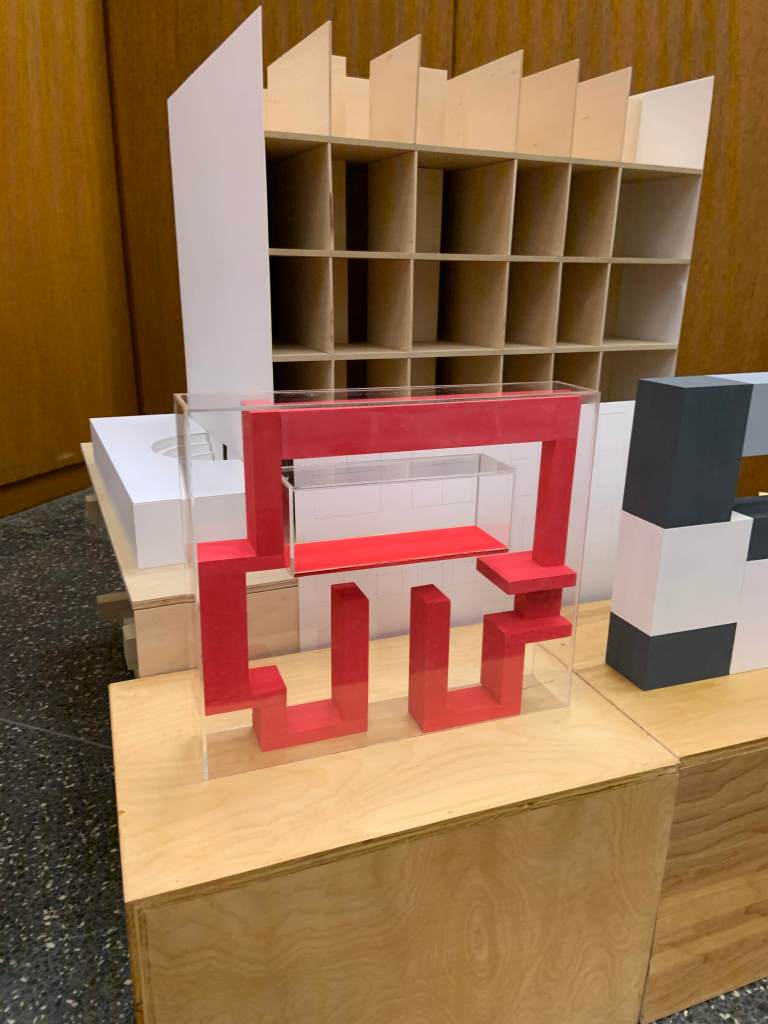
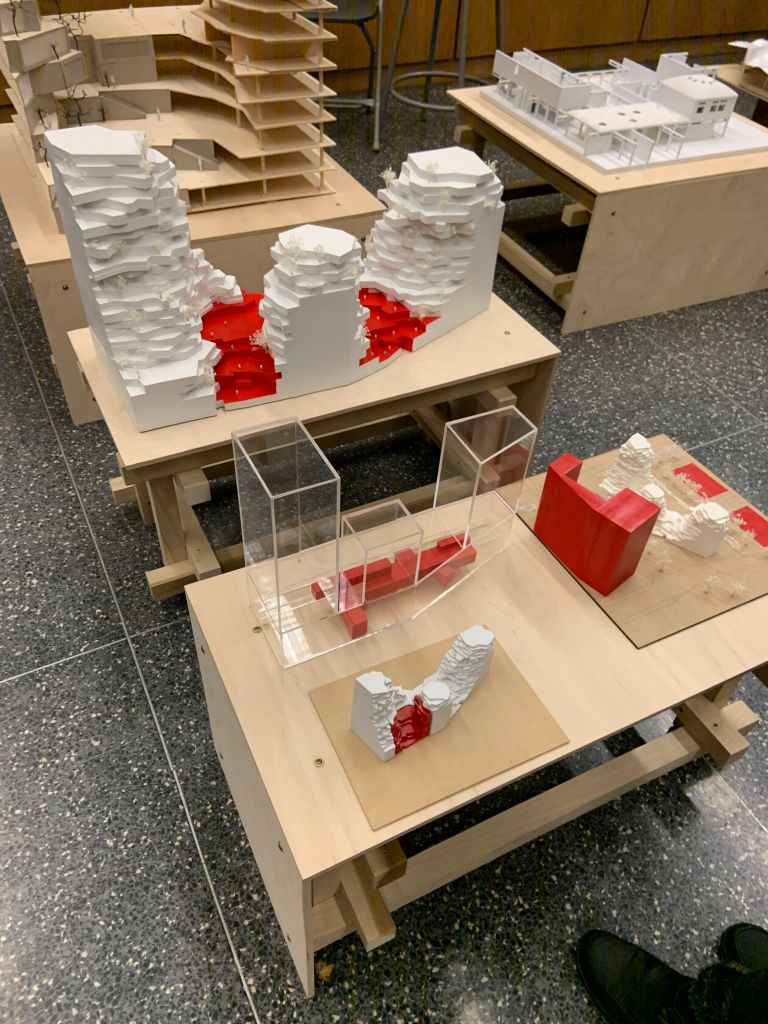
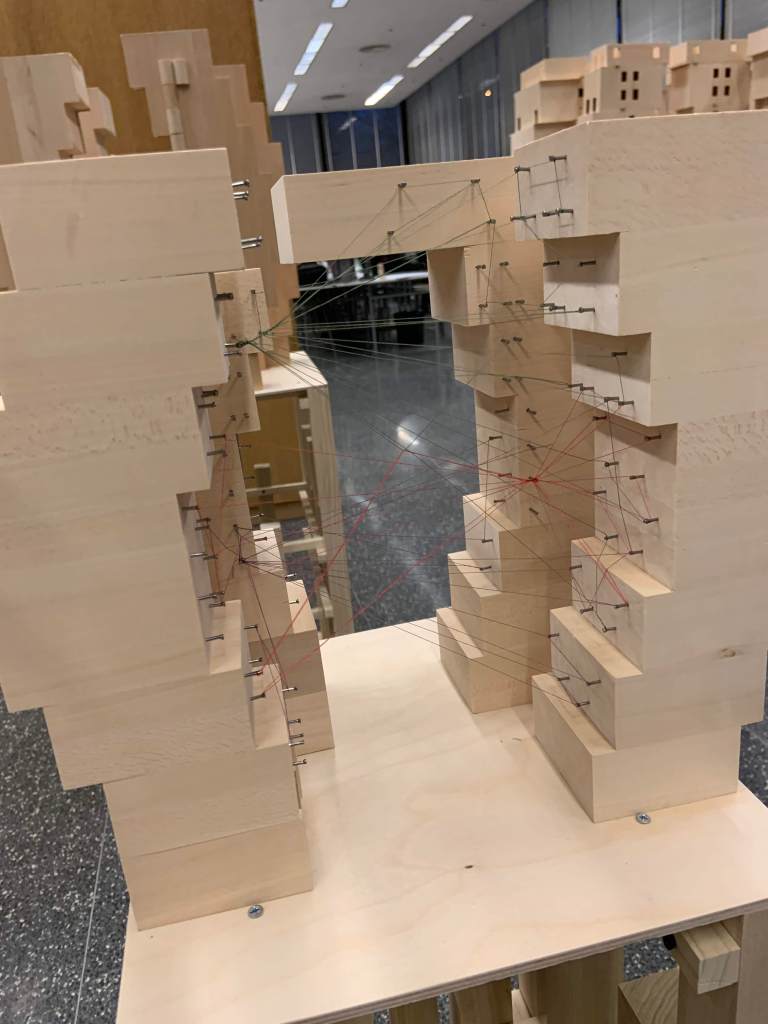
The first image from the MVRDV project stuck out to me because of the clear circulation path that is expressed in the architecture with a large red band. This started me thinking about how climbing could be integrated in a way into circulation. With the second image, I liked the idea that Valley is based on natural forms and is meant to be a transition between city and nature. This could also be interesting in the merger of rock climbing and architecture. Walden 7 struck me because of it’s tall and open central core that could be conducive to an exciting shared top rope wall.
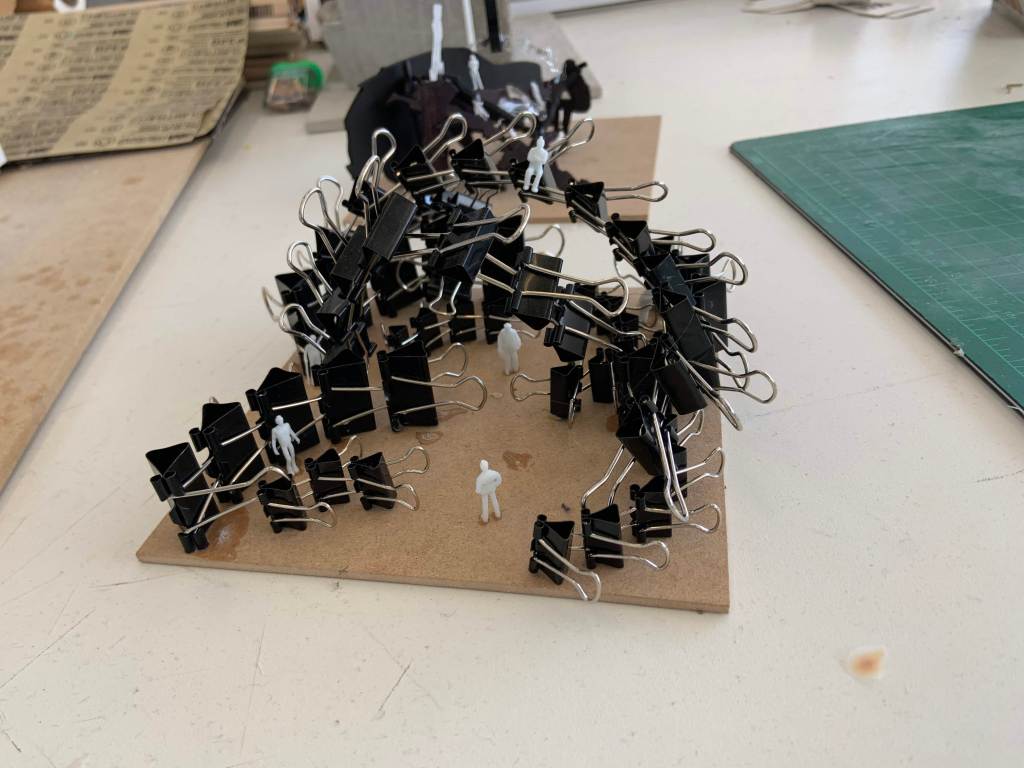
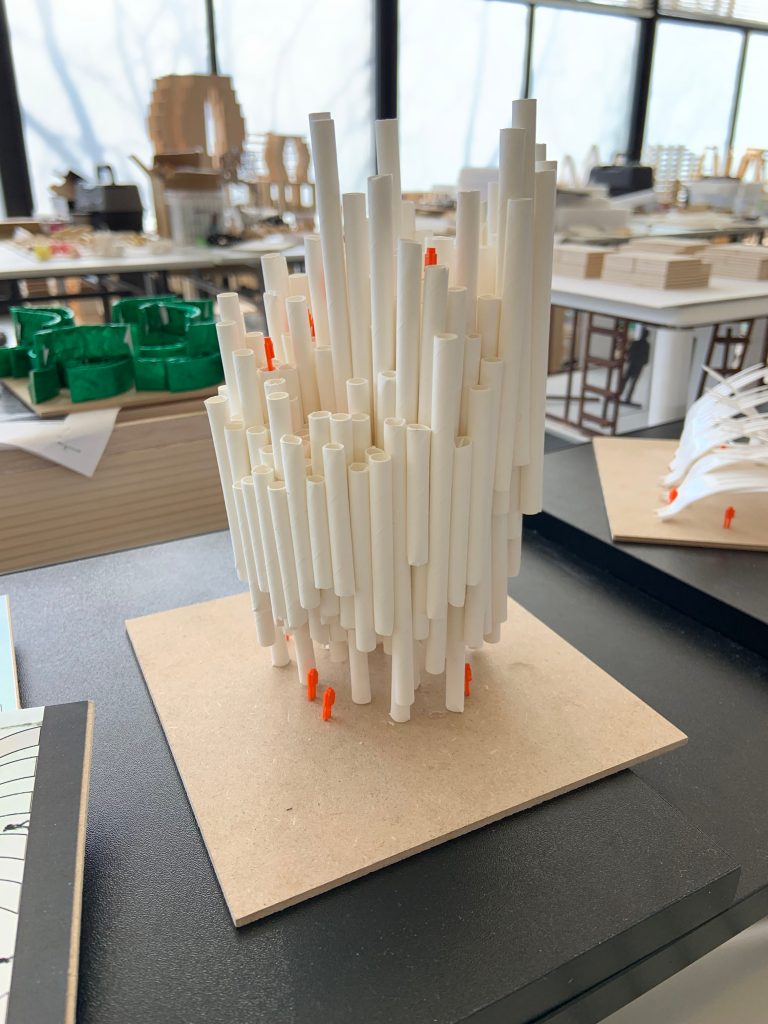
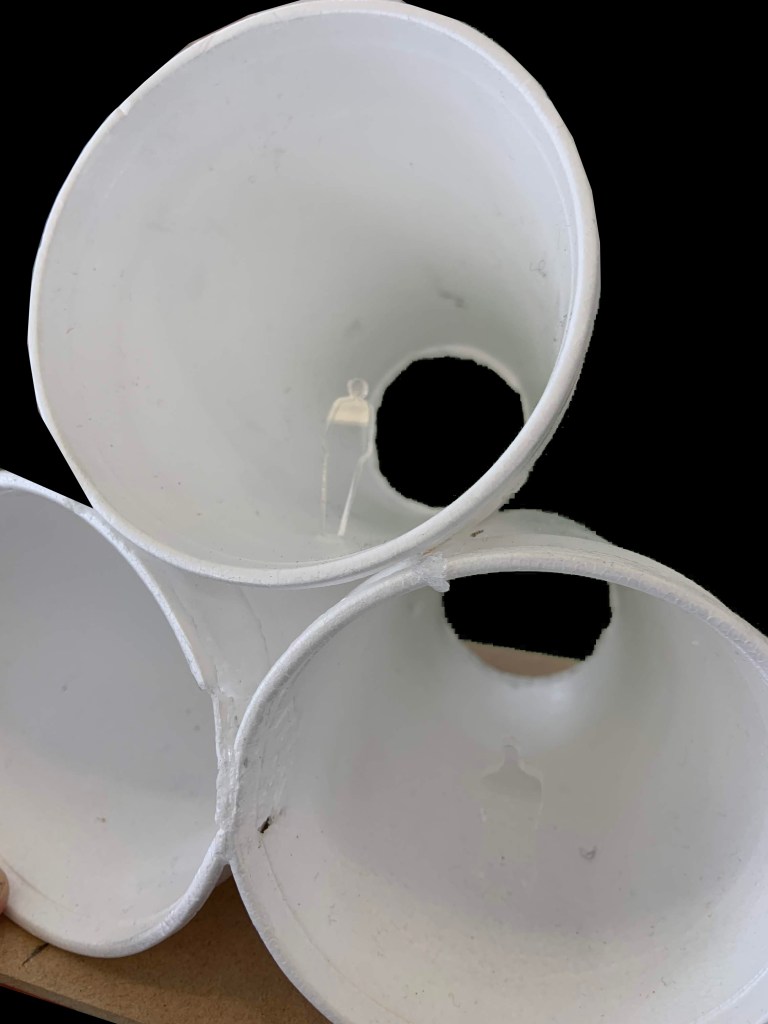
The paper clip model was interesting to me in the way that the architecture weaves above and around the spaces. Some of the scale figures even appear to be climbing across the architecture. The second model was interesting to me because of the way the different levels create shared spaces and a feeling of nature. The final model is my model, I thought the idea of having all of the residents share a focal point while remaining individually private could be interesting in this context.
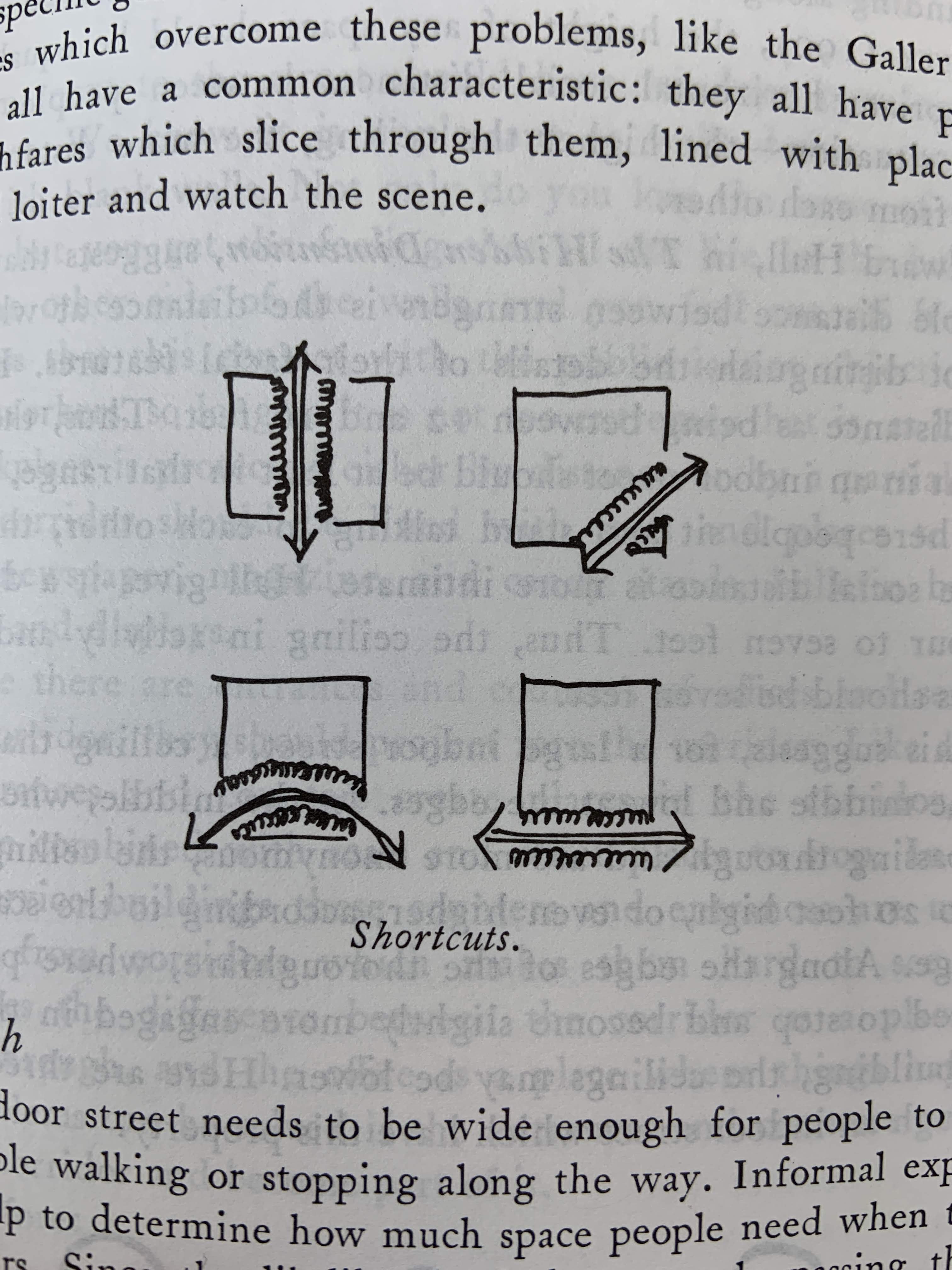

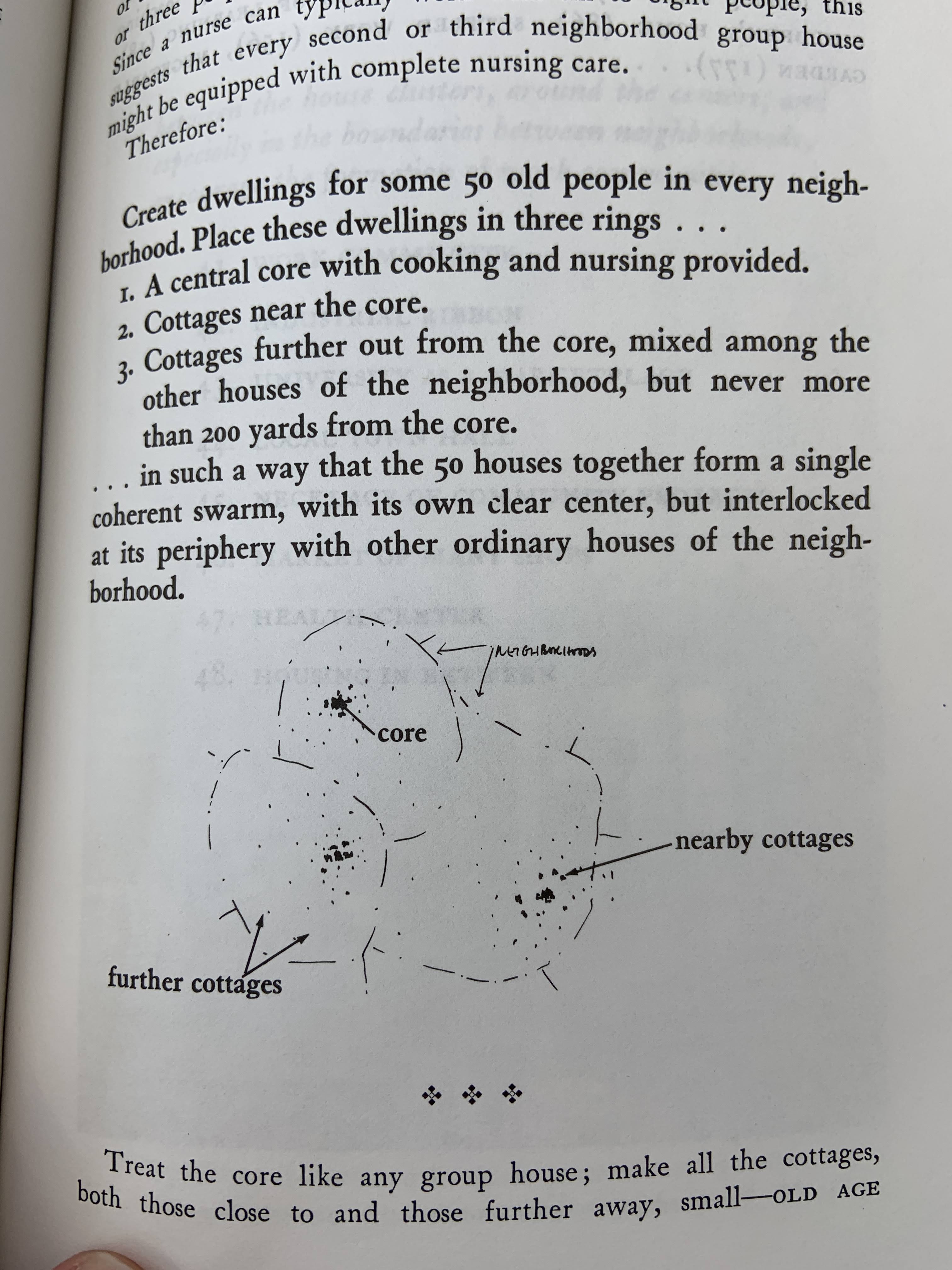
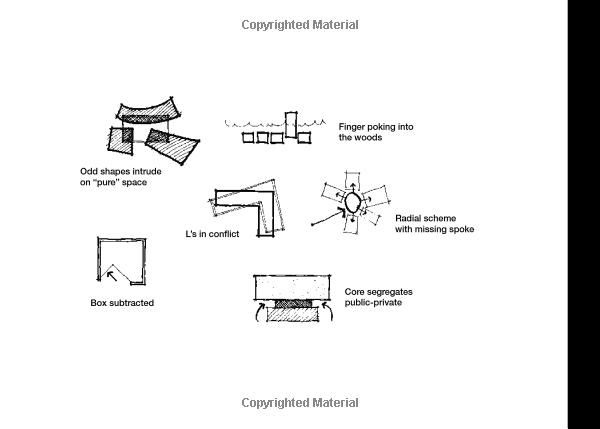
Flipping through A Pattern Language I found some diagrams and concepts that could be usefully applied to the architecture in terms of sharing. The concept of shortcuts, clustering of working, relaxing, and living spaces, and creating spaces that mix people of different ages could all help to create a homely environment in this shared housing unit. I also found some useful precedent for simple Parti diagrams in 101 Things I Learned in Architecture School.
 Hathaway Section - Spring 2020
Luke
Spatially I really like the rock-climbing program. I wish there weren’t a climbing gym right down the street, but maybe that’s a prompt to make sure that what you’re creating is different.
I think or rock-climbing to a very specific demographic (which does seem like a demographic drawn to Uptown) but perhaps you can elaborate on that. Given your interest in your project not furthering the displacement effects of gentrification is there a way that might affect your choice of a residential population and a secondary shred program? One area to purse for Friday.
In the examples/precedents you’ve got a great toolbox. I see how many are related to the type of space you’r thinking of- so you can certainly start exploring from there, but I also think a good idea to pick a couple of the other ones even if you’re not yet sure how to apply them. Choose what you’re interested in but a couple examples:
– The CTA chicken coop: the graphics but really the layering of two systems to creating a gathering space: one architectural (the enclosure) and one (more important but less visible) the heat. In the example they largely work together, but the guy hanging out just beyond the coop where there’s still some heat shows how there can be slippage. That idea of multiple systems could make a whole series of diagrams (like the google space defined partly by the architectural curtain but also by the furniture and the grouping of users).
– The two MVRDV projects show a language of abstracting and emphasizing circulation (albeit in different ways). You could start exploring your project as a winding path and a surface
– The straw model from phase 3, as you pointed out, interesting in the inhabited surface but to me also because that surface has a ghost “tell” on the opposite side: the making of the upper surface affects the space at the bottom. I also think worth mining the idea of the straws themselves as inhabitable, like your cups. What if you diagrammed a cluster of small objects/spaces shaped in such a way as to create a larger surface or space and secondarily creating another space on the opposite side?
LikeLike