Kid less families people working in or near Hyde Park
Age: 25-30 years
Program:
Not entirely sure what I want my program to be yet, but I know I’d like to include some, fitness amenities to the residents (court, weight room. Small lap pool), potentially a bar or some form of night life activity. Most likely not a dedicated restaurant since there are multiple places around the Hyde Park site that offer places to eat.
Phase 1 examples: I’d like my public/ semi public spaces to be transparent to the residents passing by or on their way to use the amenities. I like the ides of being able to see everything that is offered resident while just roaming around or going to an intended destination. The transparency may encourage users to try new activities they gave yet to try in their facility.
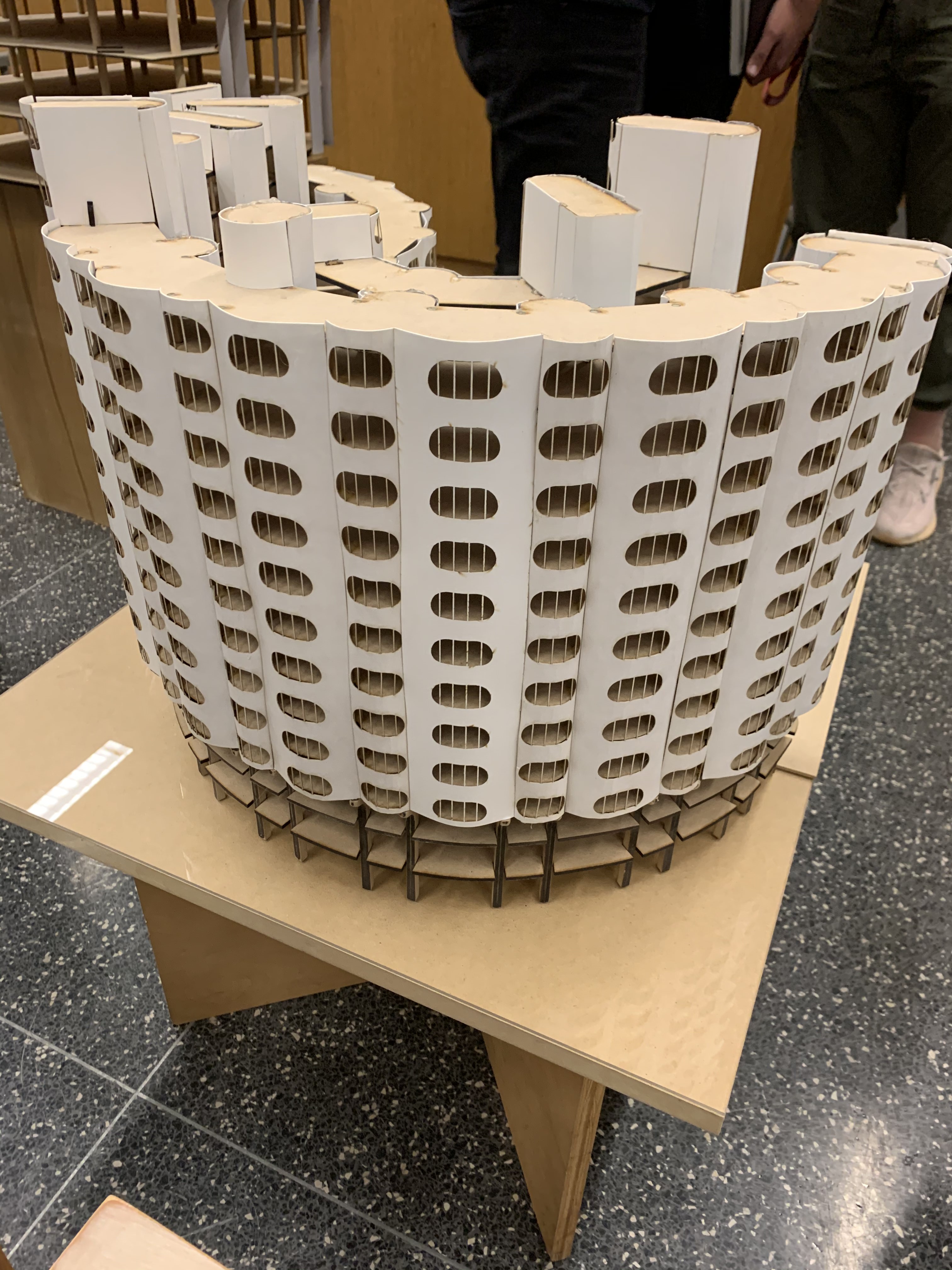
Phase 2: Star apartments (Left) entire second floor dedicated to amenities for the residents to take advantage of. There ps even a walking path that goes around the interior which allows the residents to take full advantage and observe everything that may be offered to them. The first floor offers ore public amenities like shopping and eating. River city (middle) and the photo to the right (forget its name) have residential areas on the outside of the building while storing all the amenities in the middle, hidden from the public. I’m extremely interested in exploring both of these ideas of how to fully utilize how the resident interacts with the facility offered to them.
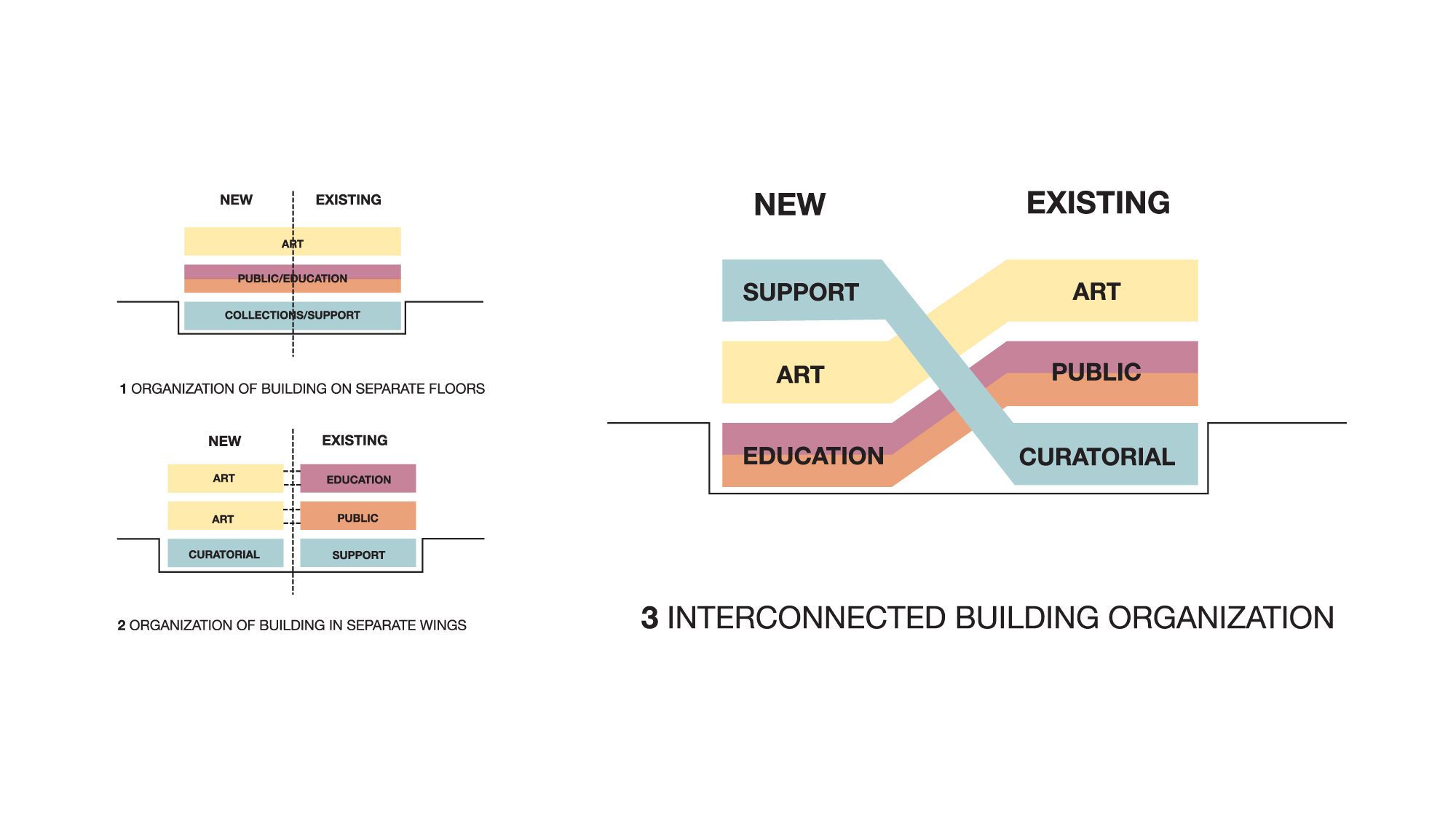
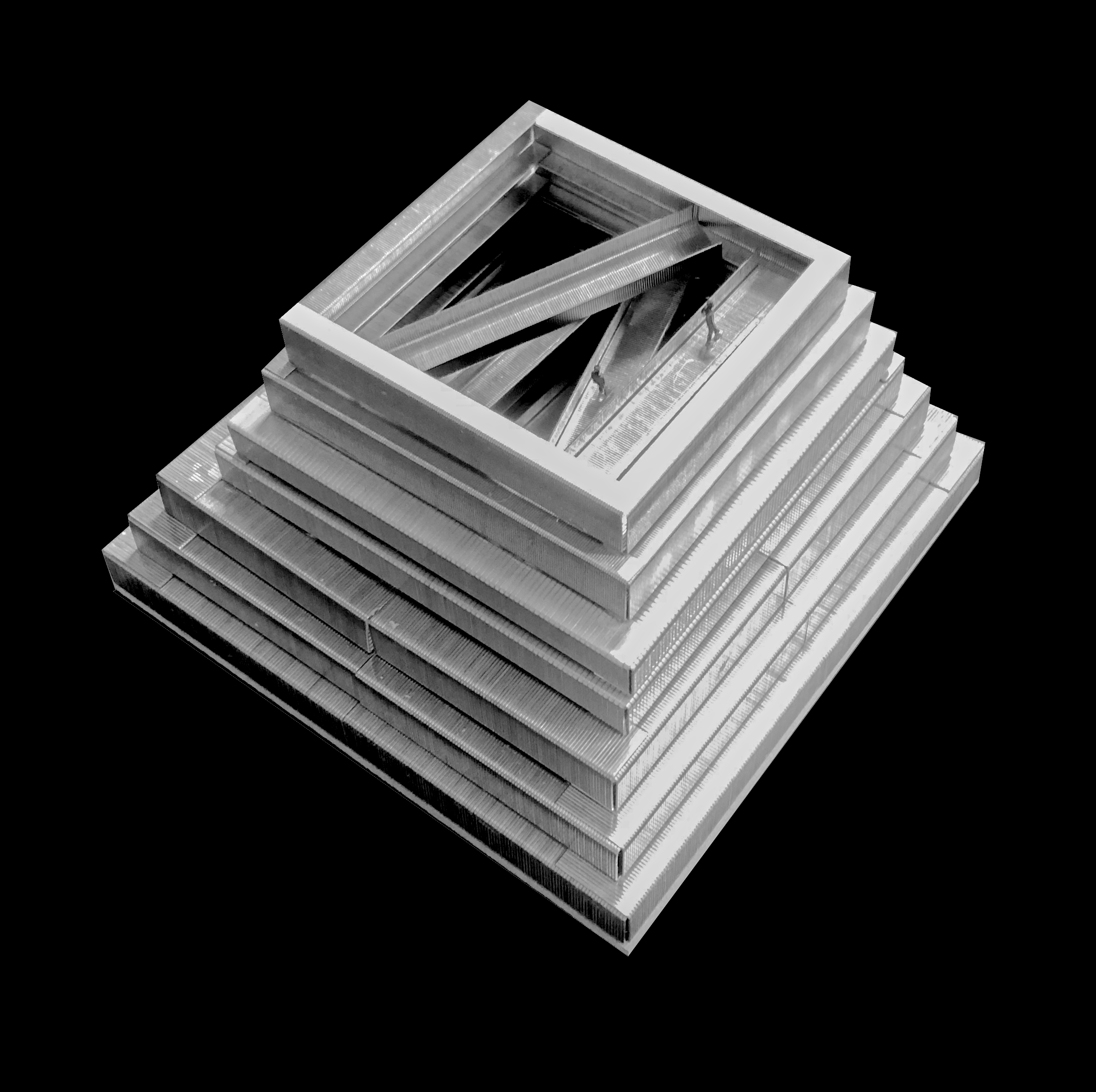
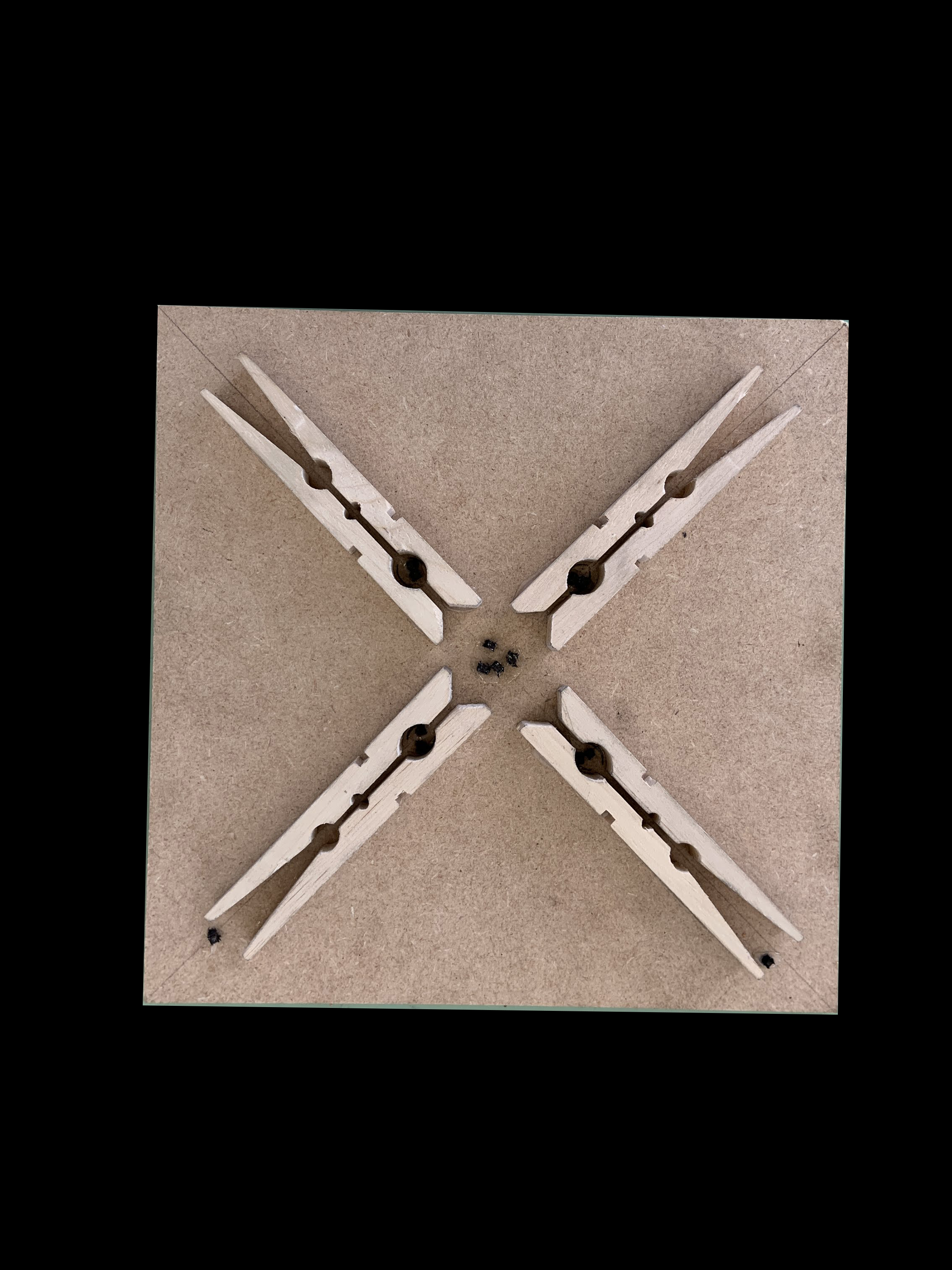
The staple model created a central circulation within the structure, which I think is worth exploring while keeping the residential areas on the cheerio model shows layering and mixed uses for the same space. This is something that has potential to combine certain amenities not otherwise seen in the same space. The clothes pins create implied spaces that circulate around a central moment. I think this may be worth exploring to find (again) how to combine certain elements together.
The idea of one central moment comes to mind with the left model, while the idea of layering specific uses to find the most optimal and efficient way to accommodate the residents daily schedule can be seen in the middle diagram. I’m not yet sure what I’d like to do, however both of these are worth exploring. I think I may learn towards layering as opposed to a central circulation though. (Just an initial first though)
John,
Do you have any data on how many apartments are owned vs. rented in Hyde Park? I have this feeling (but am not sure if it’s correct) that most of the newer apartments are rentals and that when people buy they buy single-family homes or larger old apartments in smaller buildings. Bringing that up only because you mentioned first-time home buyers in your potential population and it made me think maybe they’re not currently well-served in the neighborhood. Would be great to assess if that’s true or not and if it could make a focus for a project.
Interestingly enough, the amenities you mentioned (small pool, gym…) are common in newer larger rental buildings where they’re a small percentage of the floor area. In your building which will be somewhat smaller, it might be harder to justify such amenities if exclusively for a relatively small number of residents, but worth exploring. I’d go so far as to say worth diagramming. Maybe worth sharing.
I think when Professor Park said “no retail” she also meant hospitality like bars and restaurants. That’s not to say you couldn’t find program that was more community or cultural-based. I like the idea of looking for something that is active at night, would you pair that with a second program that is active during the day?
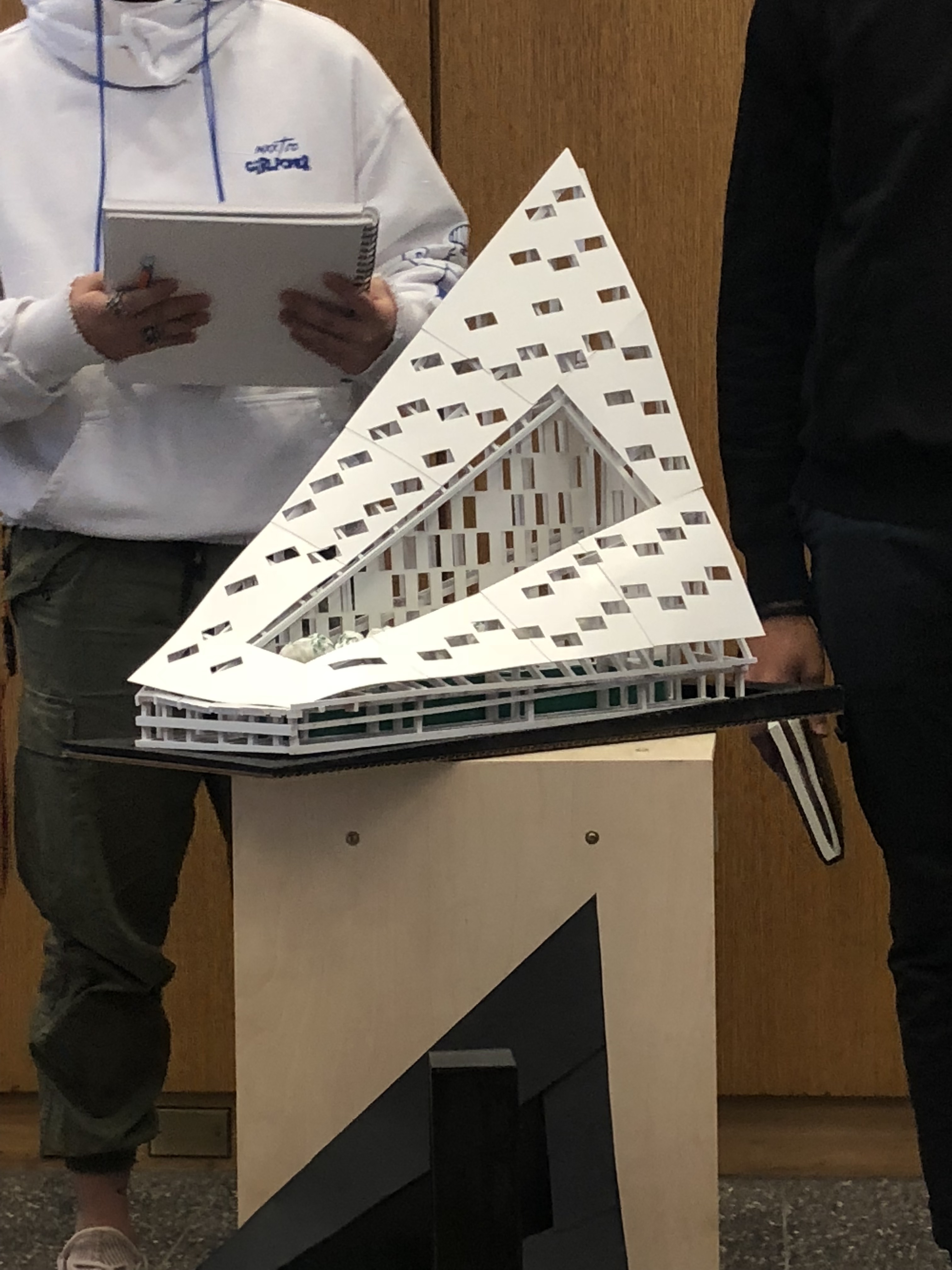
In your precedent examples you have a consistency between Star, River City, and Via 57, of providing to some degree “public” spaces/amenities in the buildings (or at least the idea that the buildings function somewhat like a city street. Even those larger buildings can’t fully do this but could there be a way that your building functions like a continuation of the street; augmenting and extending it, not trying to create an alternative to it?
Then your challenge for Friday would be how to use your program examples, especially the first Phase 1 example to find a way to diagram this. (You can use your Phase 3 examples a starting points for organizing.)
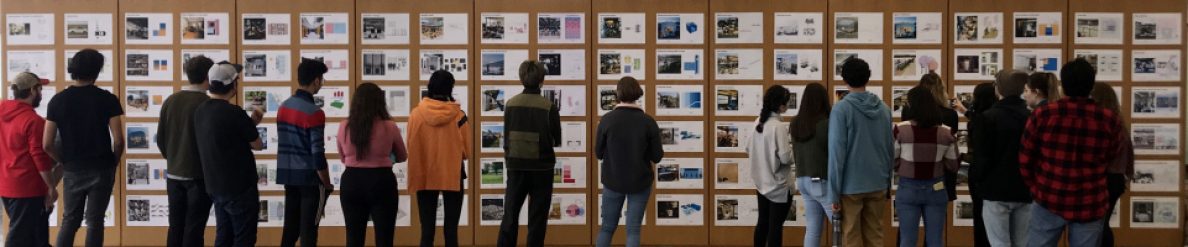





 Hathaway Section - Spring 2020
John,
Do you have any data on how many apartments are owned vs. rented in Hyde Park? I have this feeling (but am not sure if it’s correct) that most of the newer apartments are rentals and that when people buy they buy single-family homes or larger old apartments in smaller buildings. Bringing that up only because you mentioned first-time home buyers in your potential population and it made me think maybe they’re not currently well-served in the neighborhood. Would be great to assess if that’s true or not and if it could make a focus for a project.
Interestingly enough, the amenities you mentioned (small pool, gym…) are common in newer larger rental buildings where they’re a small percentage of the floor area. In your building which will be somewhat smaller, it might be harder to justify such amenities if exclusively for a relatively small number of residents, but worth exploring. I’d go so far as to say worth diagramming. Maybe worth sharing.
I think when Professor Park said “no retail” she also meant hospitality like bars and restaurants. That’s not to say you couldn’t find program that was more community or cultural-based. I like the idea of looking for something that is active at night, would you pair that with a second program that is active during the day?
In your precedent examples you have a consistency between Star, River City, and Via 57, of providing to some degree “public” spaces/amenities in the buildings (or at least the idea that the buildings function somewhat like a city street. Even those larger buildings can’t fully do this but could there be a way that your building functions like a continuation of the street; augmenting and extending it, not trying to create an alternative to it?
Then your challenge for Friday would be how to use your program examples, especially the first Phase 1 example to find a way to diagram this. (You can use your Phase 3 examples a starting points for organizing.)
LikeLike