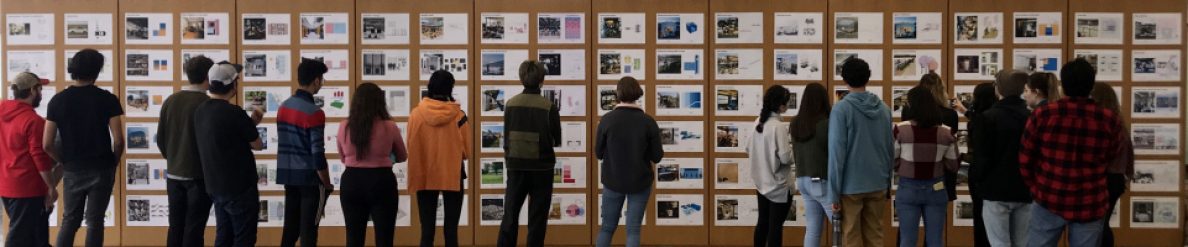
Conclusions based on research, maps and diagrams form Phase 4
Target Audience:
Residents:
- young
- single/living alone (max couple)
- college students from the University of Chicago
- people working in the area
Communal/commercial activities:
- aged approximately 18/20-35/40 for the college students and people working around the area or teens (15/20) to 25/30 for the school students as there are many schools nearby so the school and college students merge/blend
Proposed program/communal/commercial activities:
- dance studio
- gym
- group activity
- mostly evening/night use for the students and working people to use after classes and work.
- tuitions?-for college students
- cooking classes/group activity?-for learning or developing connections.
- activities that:
-build and develop connections and enable greater exposure to similar people.
-learning/developing personal skills with other people.
Examples:
Phase 1:


MSV- defined space filters in people to a private area that is separate from the rooms.
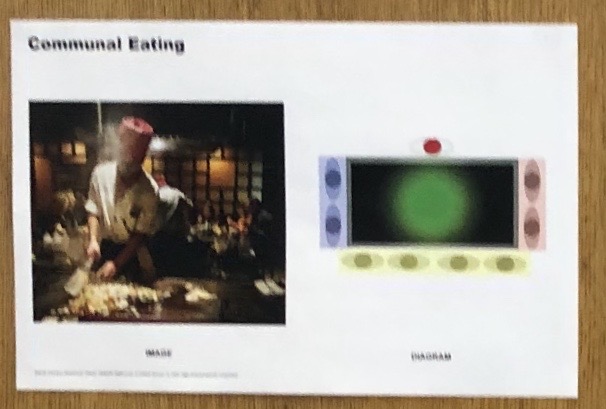
Cooking and serving in food to customers sitting around the cooking space, is radial and introduces conversation and visual activity for customers.
Phase 2:

Via 57 West has a public to private concept and centric gathering space for residents.

Intersecting street and residential allows for easy access in and out.

Blending private and public spaces through the “shiki” the common platform.
Phase 3:
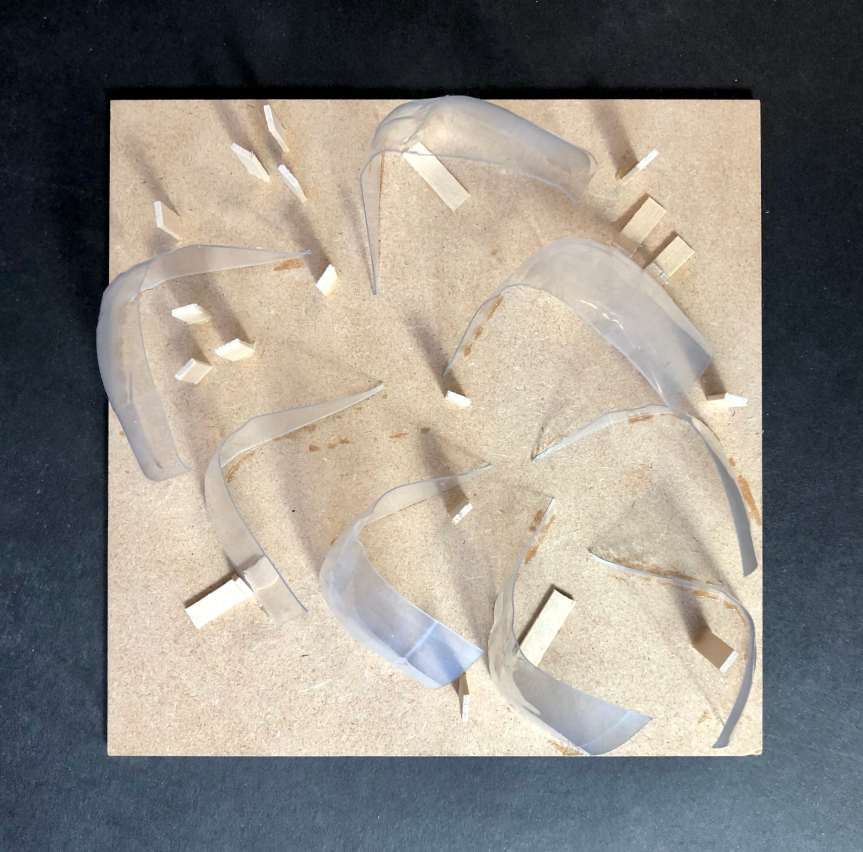
Circulation is weaved in like a leaf’s veins and creates access from multiple directions, encapsulates private spaces. Has potential to have gathering spaces at the center if the pieces are spaced out. But also has potential for textures dealing with transparency and translucency.
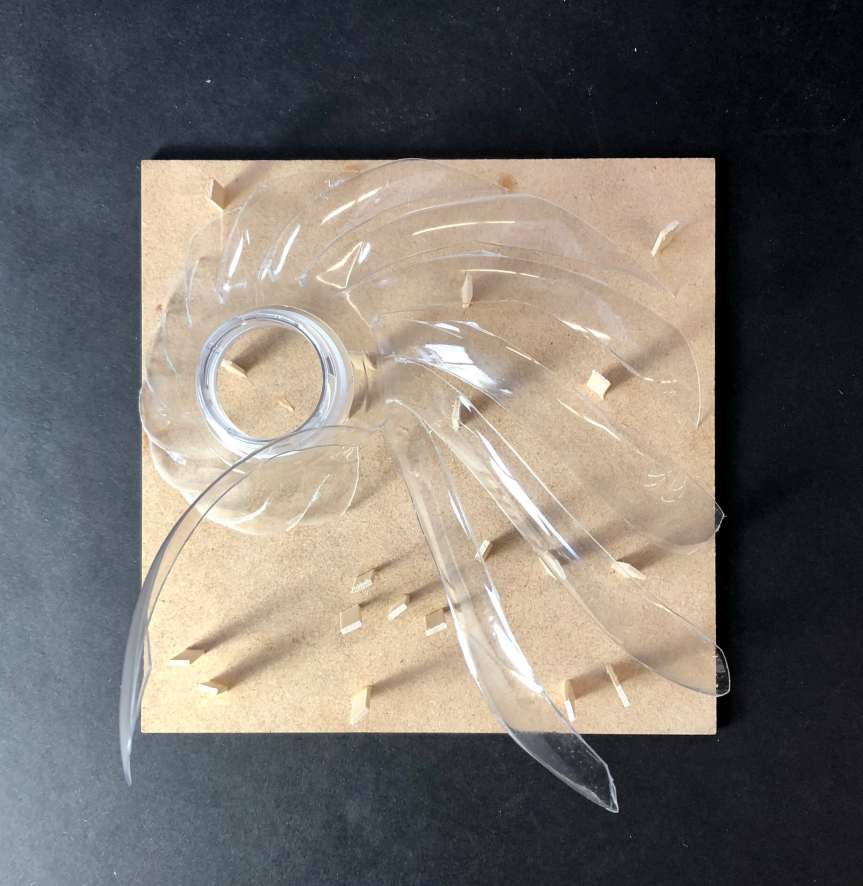
People can access the gathering space that blends from the entry/exit space. But also has potential for textures dealing with transparency and translucency.

Hard or closed exterior and soft or open interior allows internal connections and confined space.
Precedents:
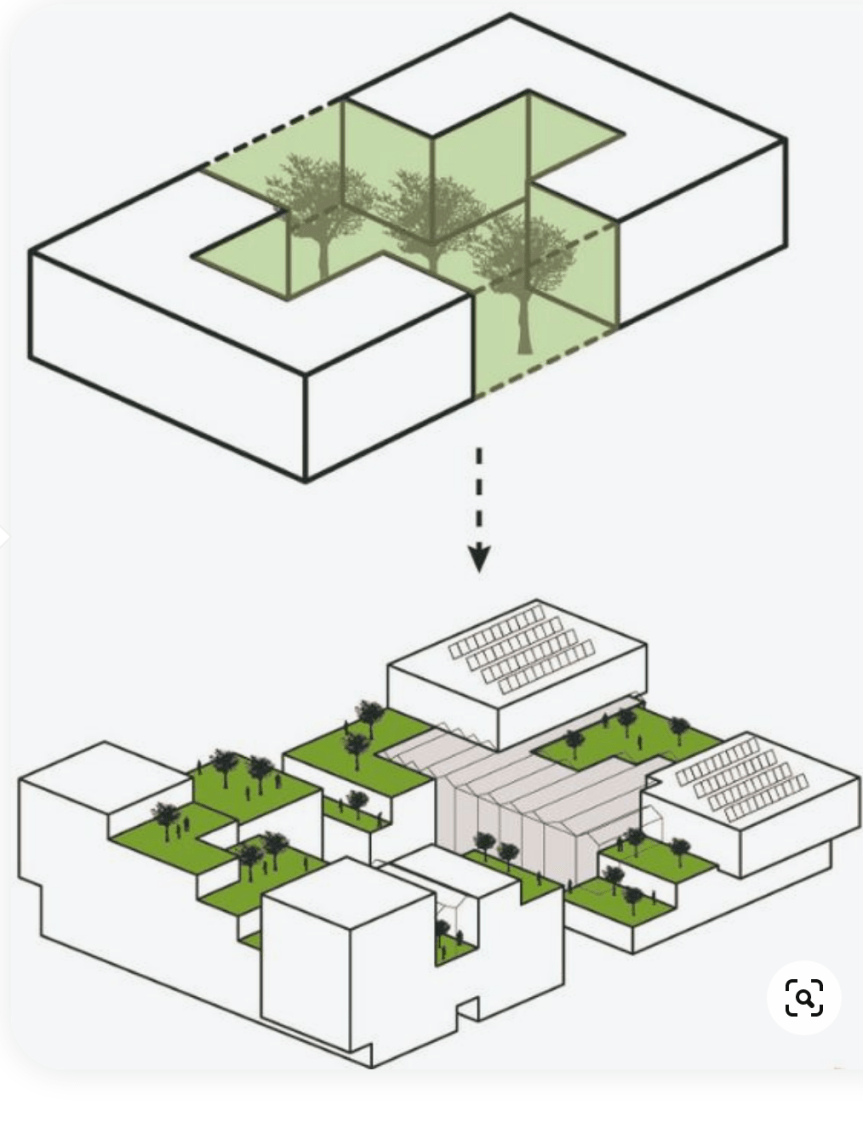
Multiplying shared green space between two residents to multiple residents.

Use of opacity and line types to establish space in terms of fore ground, middle ground and background. Combinaiton of multiple diagrams to show the order of the designing process via the directionality, colour and basic language.
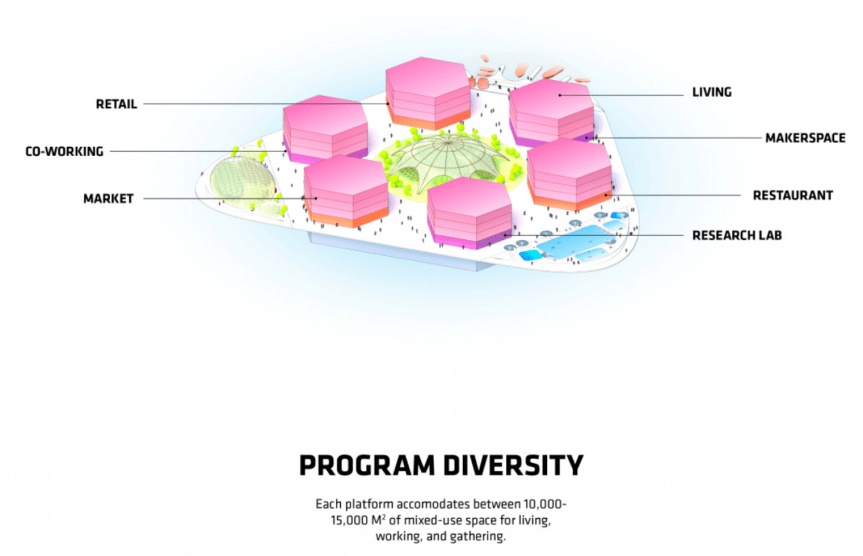
Showing context around to understand scale and establish private vs. public spaces based on density of entourage.
 Hathaway Section - Spring 2020
Shruti,
I’m interpreting your thoughts on residents and programs as multiple ideas, not necessarily that you’d combine all of them in your project. I see that you could be trying to include them all- not wrong- but I think one of our main goals for Friday will be to try to investigate how the residents might be different or how you might tailor your design and narrow your choice of residents.
I like the idea of the shika; to me it relates somewhat to the MSV and SSV sharing examples. My question to you is how can you utilize those to try to organize your programs and spaces?
I also get the courtyard of Via 57, for Friday can you try to create a section diagram that does something similar? (Meaning draw a section diagram of your spaces incorporating ideas from Via 57.)
Not sure if the Via 57 court or the more terraced green spaces from your 2nd graphic example will be a more useful precedent so for now can you try a diagram using each and we can compare? Does Anna’s staple model (and perhaps also your bottle-top model) relate to the central courtyard idea or would they be applied to a more defined program?
The only one I’m not as sure how you’re thinking of applying is the middle example with the circulation strings, hoping you can clarify on Friday.
The idea of a cooking (and/or other) class makes a lot of sense as a shared program. I could see it in the evenings but also perhaps during the day- would there be another audience for a communal kitchen during the work hours? Like a food incubator or community kitchen for local entrepreneurs?
You don’t have to have an answer yet, but at some point we’ll have to figure out if the kitchen classroom is your “big” or your “small” shared program. Also, if the other one is a dance studio or…
For your diagrams for Friday you can adopt the style of the BIG project or your other axon examples, but I think you should also consider a simple bubble-diagram or “block” section diagram that you can generate with less need to have really figured out the architecture of your space.
LikeLike