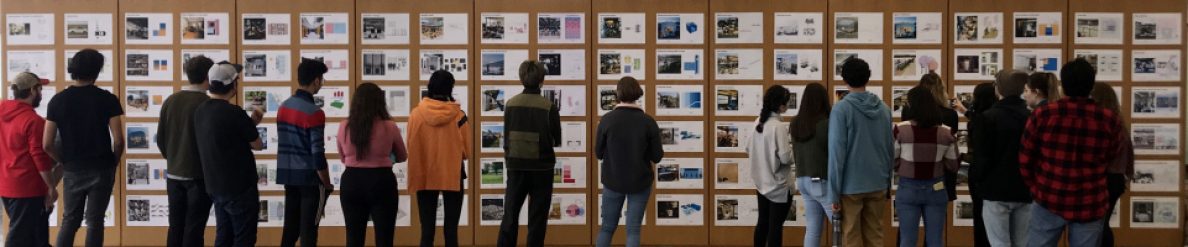
Population: young artists who are searching for job opportunities
Population age: 20s , 30s, maybe 40s??? I picked this age because after college graduation young adults don’t have jobs and especially in art major it is very hard to find one. Also the zoning and amenities map show that our site is located at very dense and full of night life street. In that way you need young people to live in surrounding like that.
Why: Hyde Park is full of places that display, teach or sell art. Some of the schools are displayed in education map. That will help my residents with work opportunities in their major. Also our site is located on very commercial street. There are a lot of restaurants, banks, supermarkets and retail places as you can see on amenities map. My residents to start can find jobs in those places.
Routine/lifestyle:

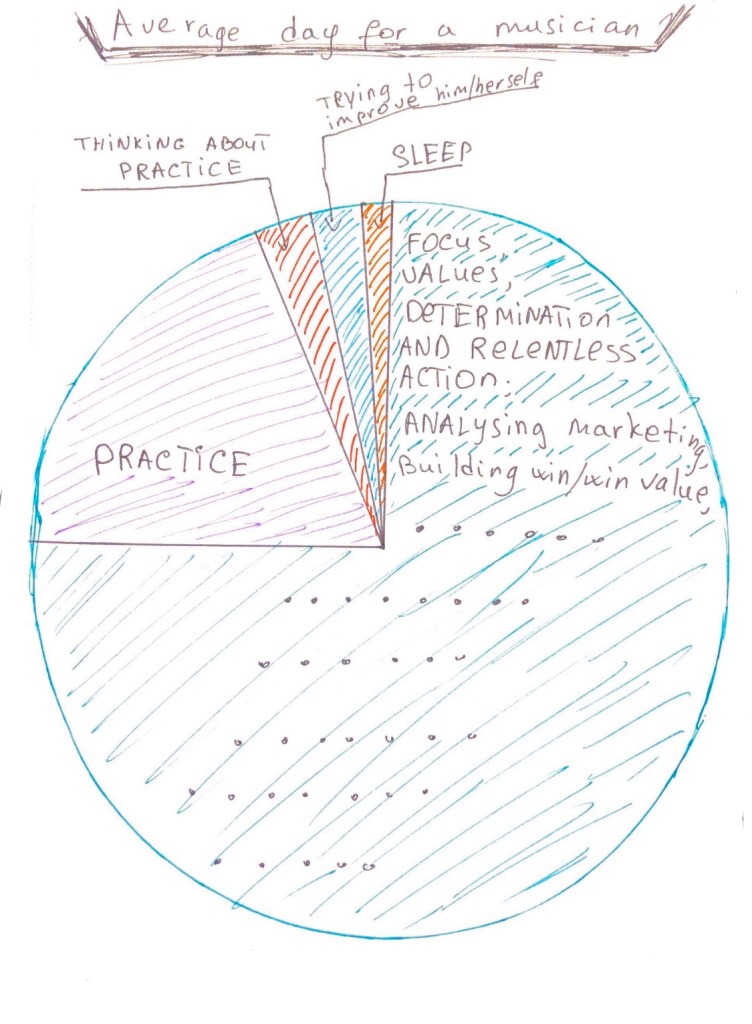
Sub-groups: when I was thinking about population I had an idea of having artist and musician residents who are looking for job. But when I started doing a research about the places that are close to their field and also close to our site I found a lot of art ones and almost nothing for music. So maybe I can still have musicians at my XL House but as a sub-group.
Phase 1 sharing / personal space examples
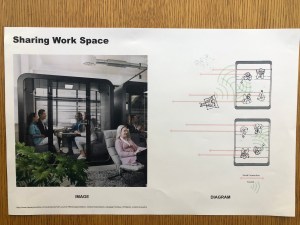


I picked three of this shared examples as they show how with using some materials or cutting the solid form I can create a shared space. I want to create studios that will blend into the community space and I feel like this examples give me some understanding of how I will do it.
Phase 2 precedents
Gather 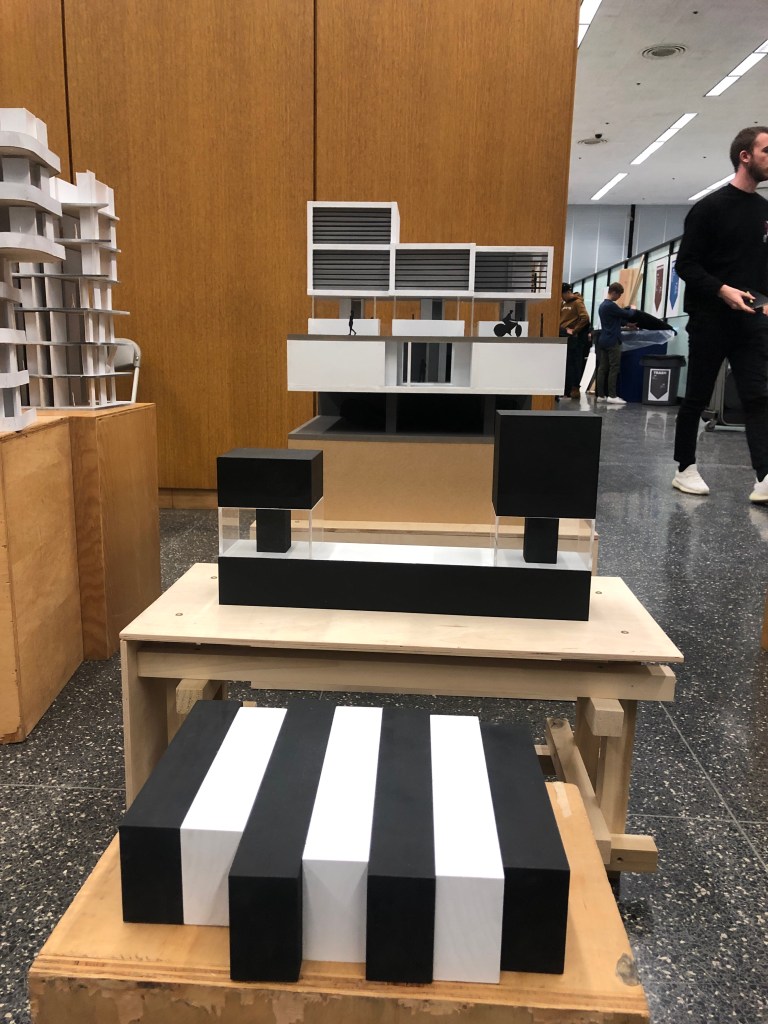
Laminate
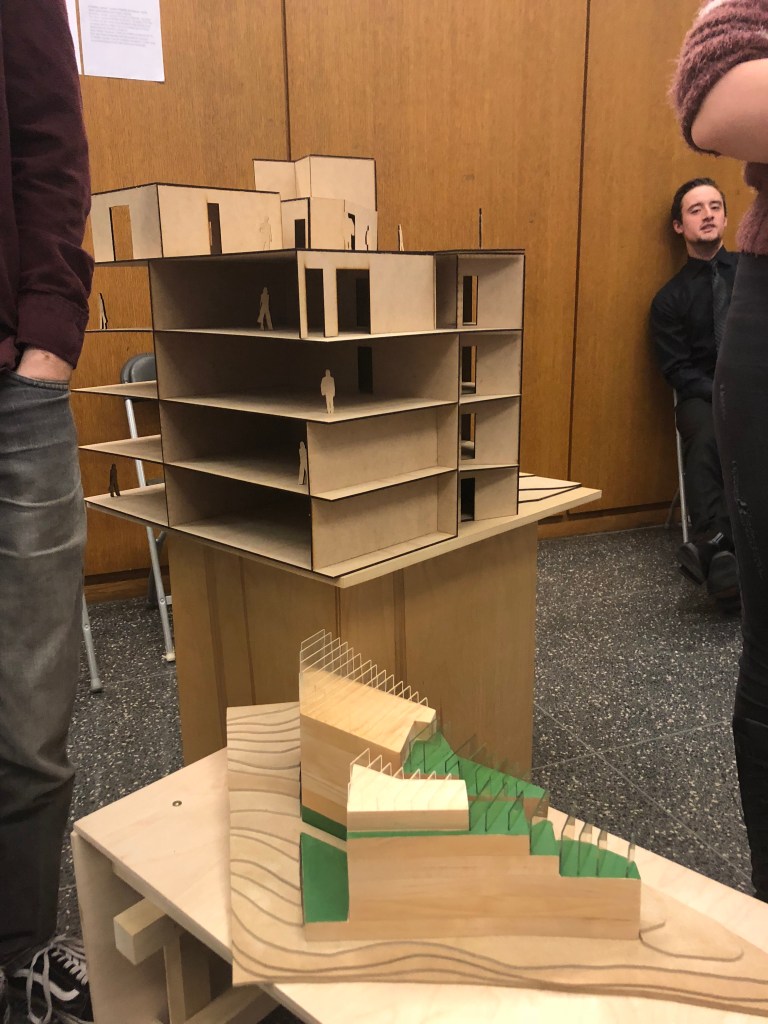
2) Laminate: in the second picture the shifting of paired units are laminated by the court. I’m thinking about laminating my apartments together and making dining areas, studios and gallery very open.
Phase 3 models

overlap/ laminate 
bundle
overlap + mix
2) Bundle : I really like how the pencils bundle together in a way that they create different seating spaces. I think I can use this approach into combining my studios.
3) Overlap + mix: oh this model is a good start to think about my program arrangement. The model itself follows the same logic and this language I would like to keep in designing my XL house.
Precedent examples of diagrams
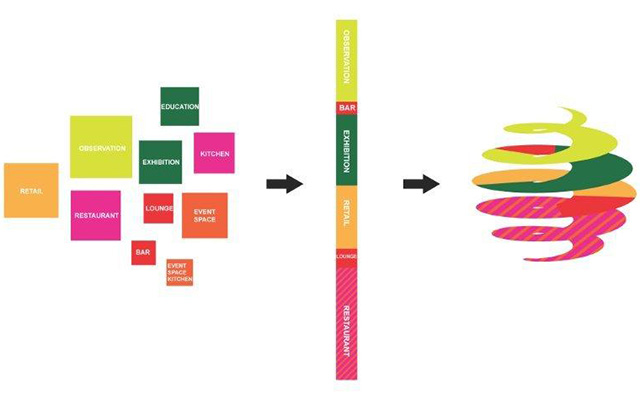
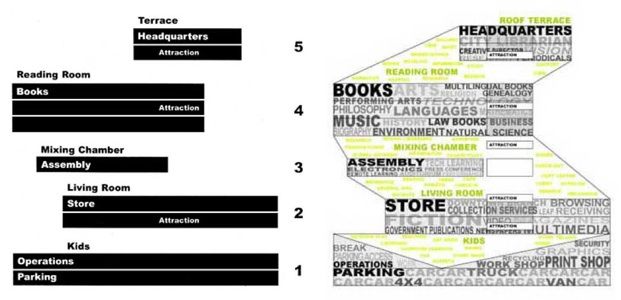

In this slideshow you can see three examples of how to show program in abstract way. I’m still having a hard time understanding how to show it in section. Should the plan diagram and section go along together or it can be two separate iterations of program ?
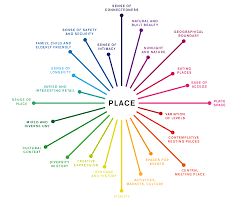
Also you can see that I have place diagram. I put it here because in order to support my choice of population I would like to do a diagram with the places where my residents can find a job by major. Also I was thinking about putting a walking radius to those places.
Program
- Shared kitchen
- Shared dining
- Housing/Units
- Art Studios
- Art Exhibition Space/ Gallery
I’m thinking to have laminated units and open space to gather community. I think that art studios for an artists residents it is a good choice as they can work there and even they can share experiences with other residents and non-residents. Also I would like to create a Gallery that will be free and open for society. I have that idea in my head that maybe residents can display their work in that gallery ( as young artists don’t have a chance to show their work to the outside world as they are not well known right now). So I’ll engage both non-residents and residents.


 Hathaway Section - Spring 2020
Nataliya,
I wrote a response to your post Wednesday right before the lecture but somehow it didn’t save and now I’ve somewhat mixed up my thoughts on it- perhaps you also updated your post in the interim?
Anyhow. I really like the idea of supporting artists/musicians by creating a space for producing and showing/performing (and also living). Not yet sure if it should be visual artists or musicians or some other subset but I think interesting to explore and some of the same ideas of producing (more privately, but also a shared endeavor in some ways) and then inviting in the public to view/consume…
Hyde Park Arts Center has studios and classrooms and periodically opens up to the public, but even if you choose visual arts I think there’s lots of rooms to differentiate. For now I wonder if you can bubble diagram the spaces you’d have for a population of musicians vs artists. What about if you had more niche population(s) like artists working with sound? sculptors as opposed to painters…
Your first bubble diagram of sharing at both residential and non-residential programs is a great start. I like the ideas you’re incorporating in the subsequent block diagrams but maybe before jumping to the block language you could try more bubble diagrams to show the same concepts (I think the bubbles with the ability to stretch shapes and add lines of connection are more flexible). Try for your highlighted verbs: laminate, bundle, mix, overlap.
As a starting point for diagramming I’d suggest 10 residential units and 10 studios, then figure out if those are clustered into subgroups or not (like in your diagram) and if that in turn affects the number of kitchens and dining areas.
Build on the work you’ve already started on with your block diagrams but don’t worry about fitting in “actual space” you can make the bubble suggestive of scale but they don’t have to fit in a rectangular building or even make sense as a building. I hope this technique will free you up to focus on the relationships of spaces and you can experiment with different rules for say laminating or bundling your programs.
LikeLike