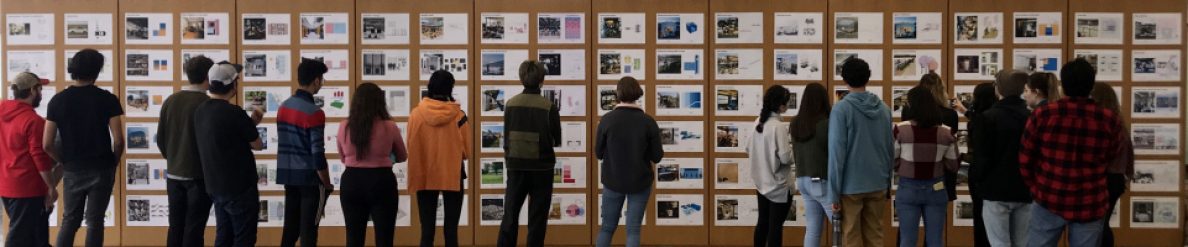
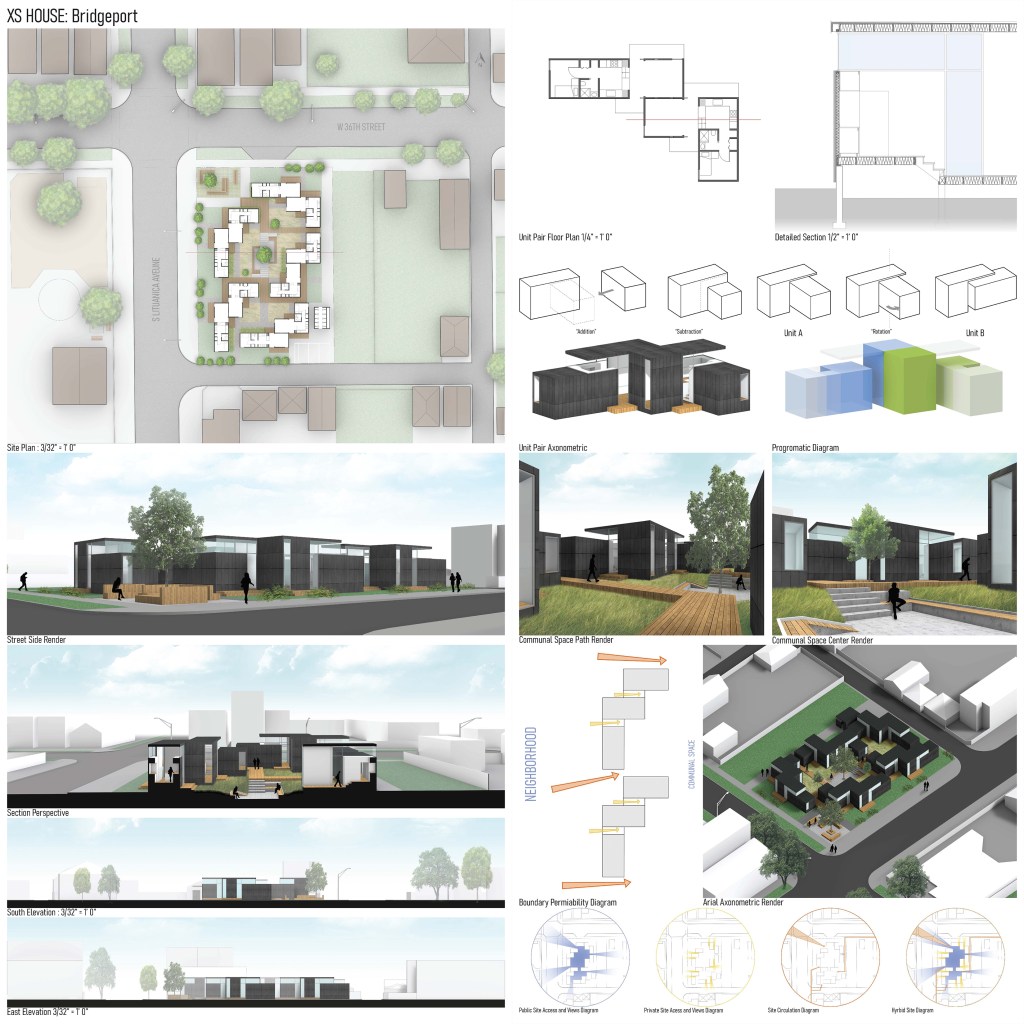
I largely based the formal and spatial qualities of my design off of the concept of architectural boundaries. To further that, I focused on the transparency and permeability of these boundaries and explored how they shaped space at different scales.
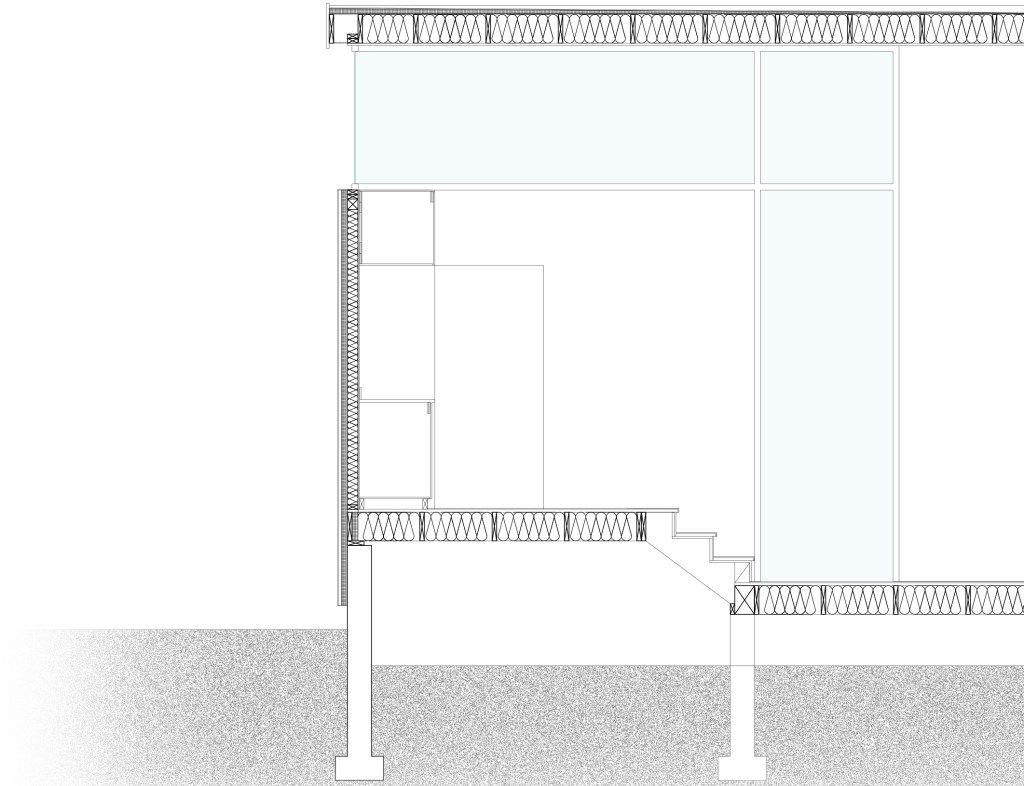
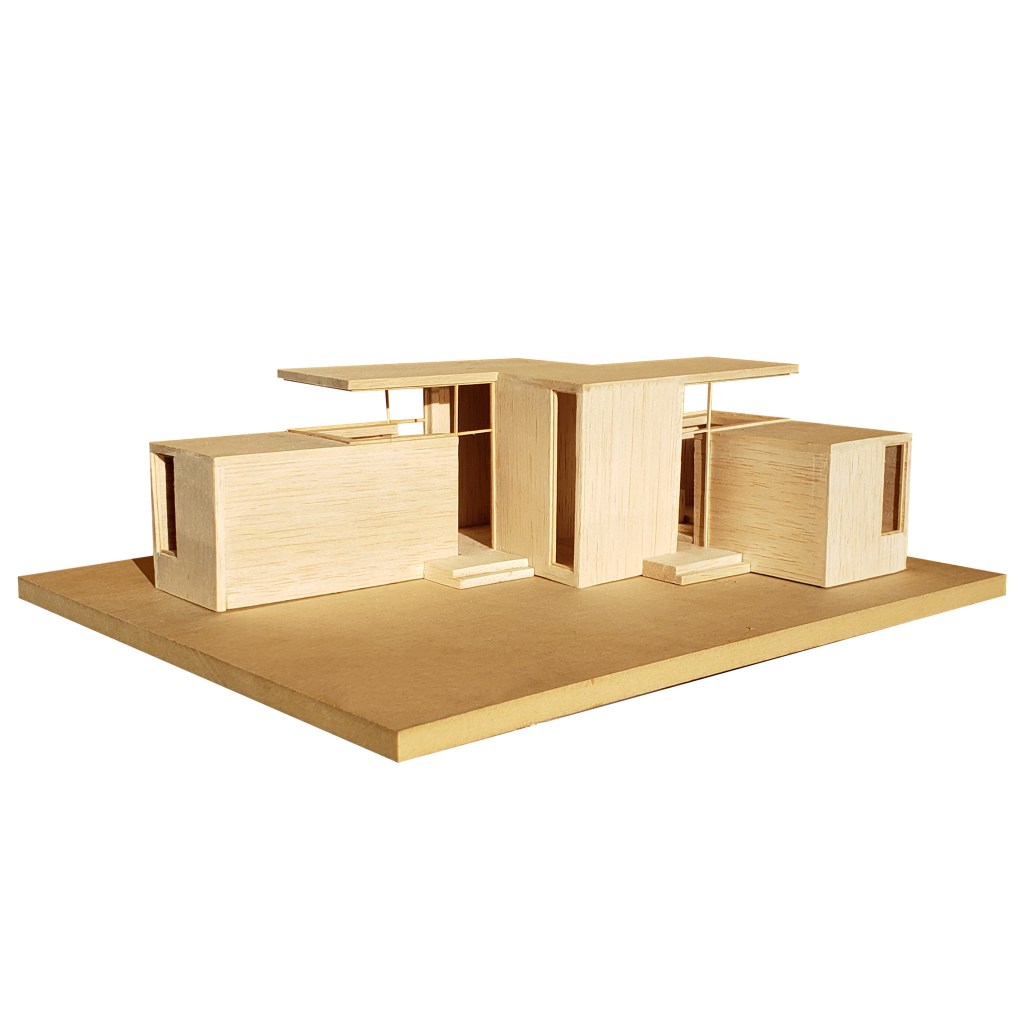
At the scale of my unit, I focused on a selective transparency and multi layered permeability. The derivation of my unit comes from a study we did in the beginning of my semester where we created collages and made then into 3D models where I was exploring the same topic. I was intrigued by this collision of these two masses and decided to run with that as the formal basis of my unit. That “L” shaped void of glazing separates the public from private space in the unit and not only acts as a boundary from the neighborhood to your home, but also a boundary between your home and the centralized communal space.
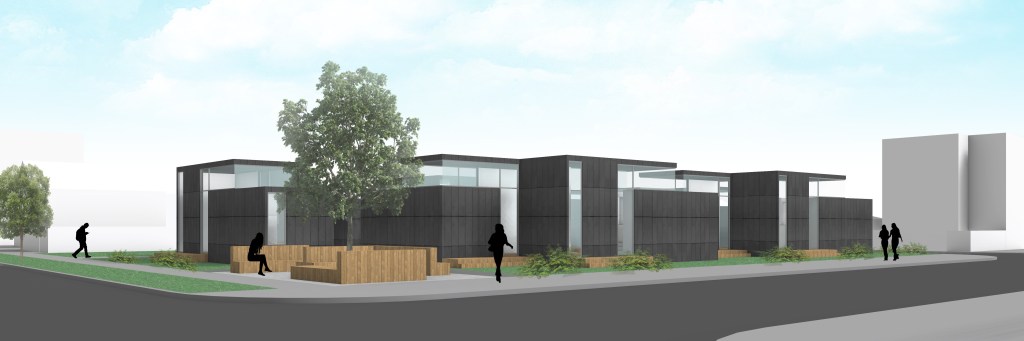
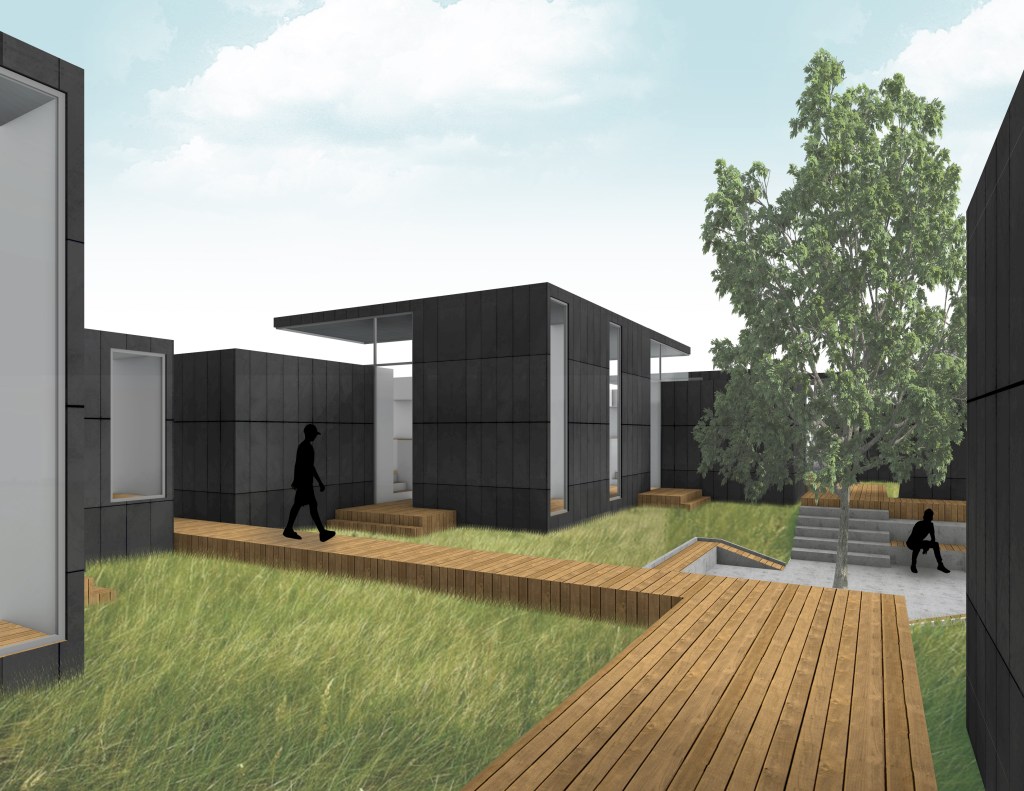
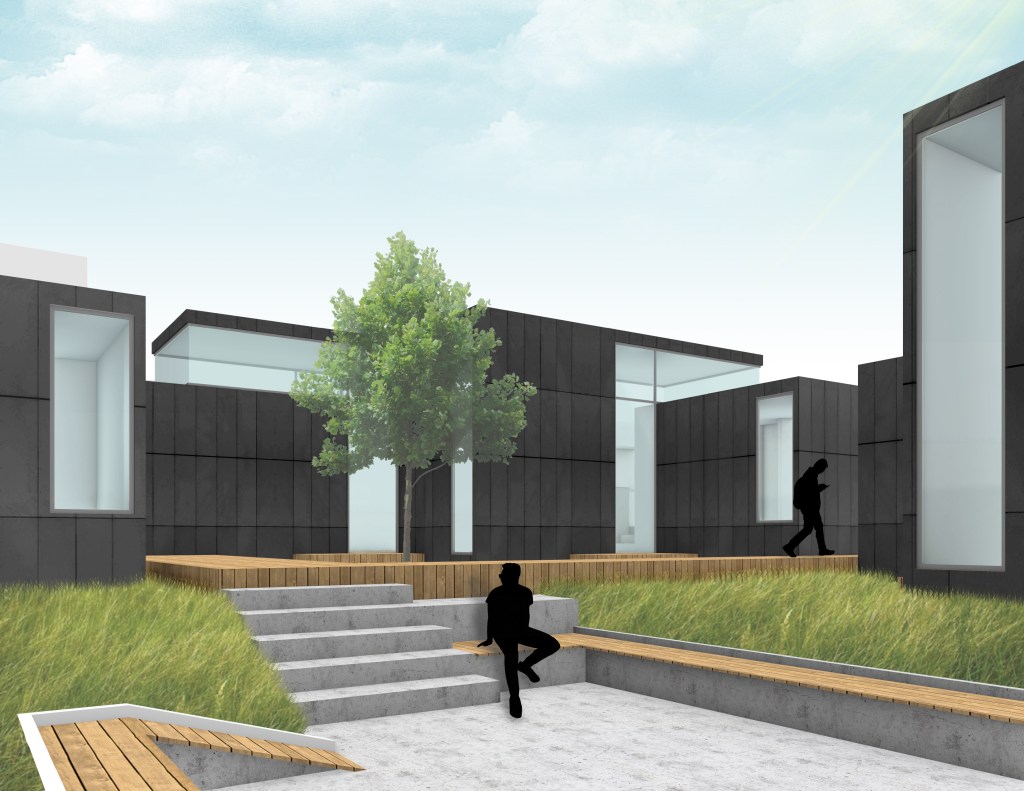
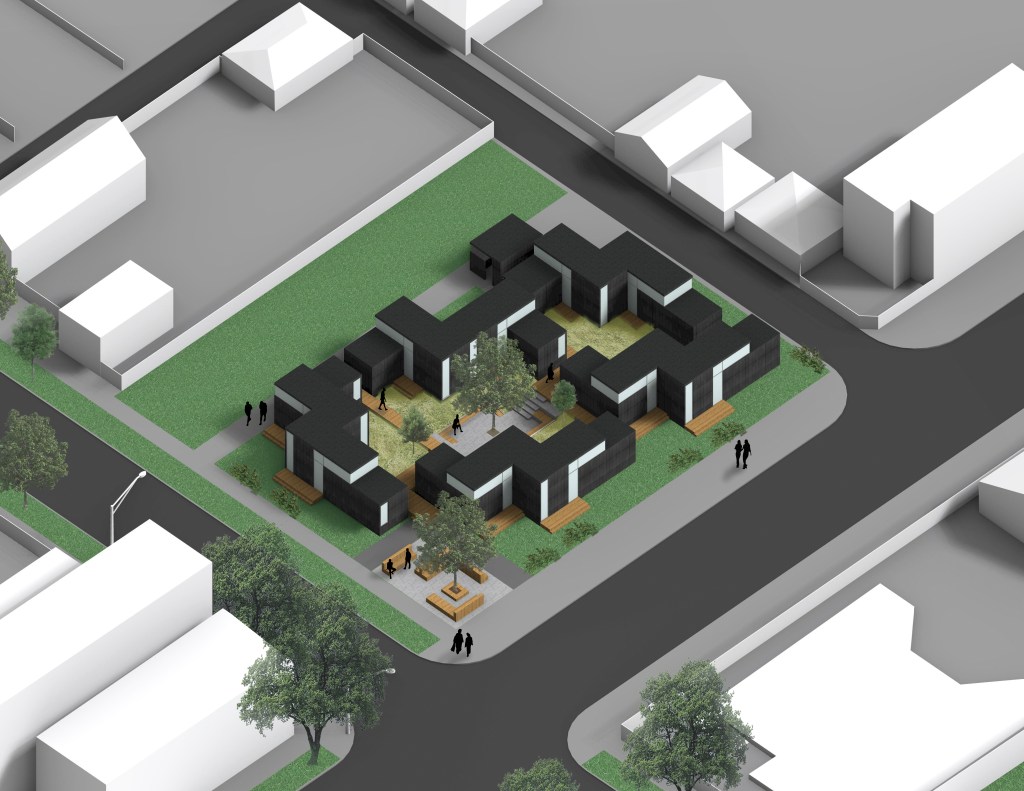
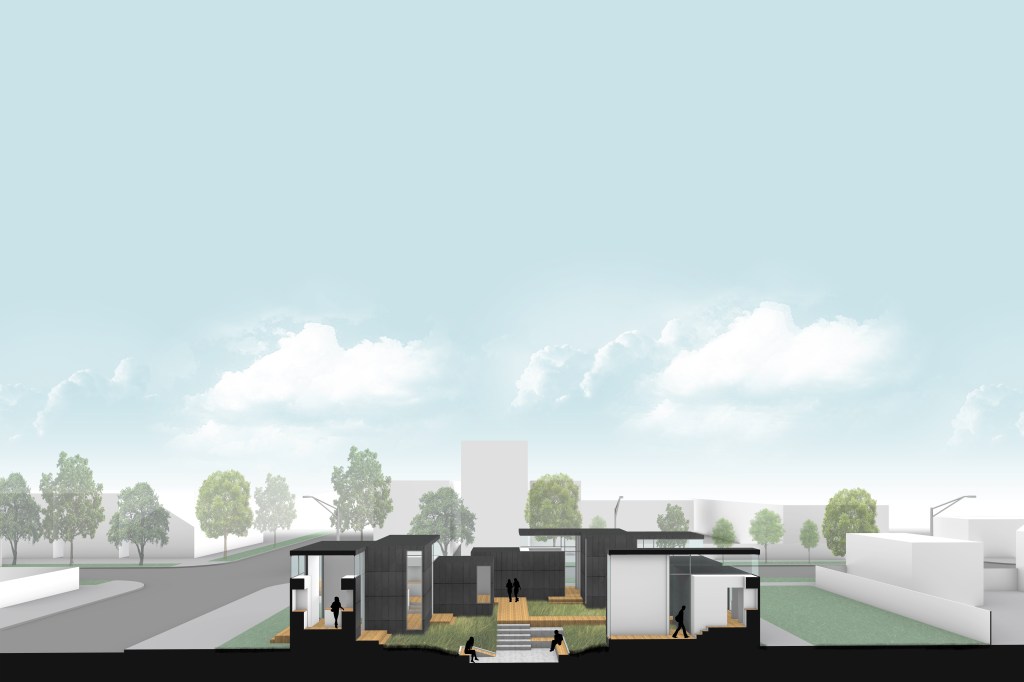
At a bit of a larger scale, the aggregation I chose prioritizes this centralized courtyard by having units sit on the outside perimeter of the site again acting as a boundary that can be penetrated at a few different locations. There is one primary entrance on the corner of West 36th and South Lituanica, and a few other secondary entrances along the perimeter. Another key idea was the idea of elevational barriers to further remove units more private spaces from exterior conditions. Site circulation is defined by a network of elevated paths that call out common routes for residents, while a narrower tertiary path still allows a degree of separation from the individual units.
And at the largest scale, my aggregation’s communal space acts as a removed, but engaged, environment in relationship to the nearby community. Sheltered from the busy recreational park to the West and removed from the commercial bustle on S Halsted to the East.
 Hathaway Section - Spring 2020