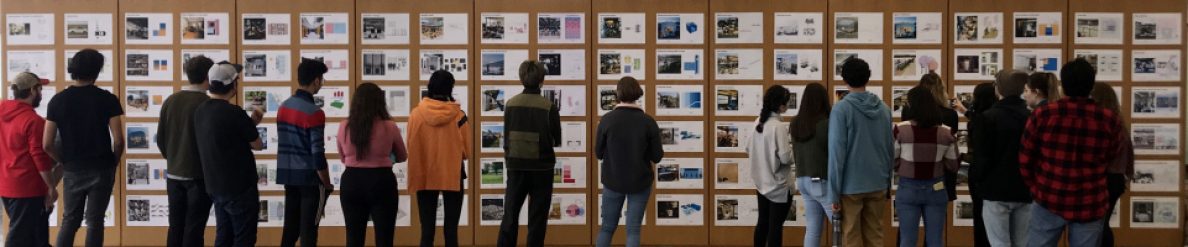
Q: (How) Should I render this?
A: What are you trying to tell us with this drawing? Your graphic choices should help reinforce the purpose of each drawing.
At this point in the semester nobody is gong to read a long blog post, but I’m hoping to help answer some recent questions on the topic with examples.
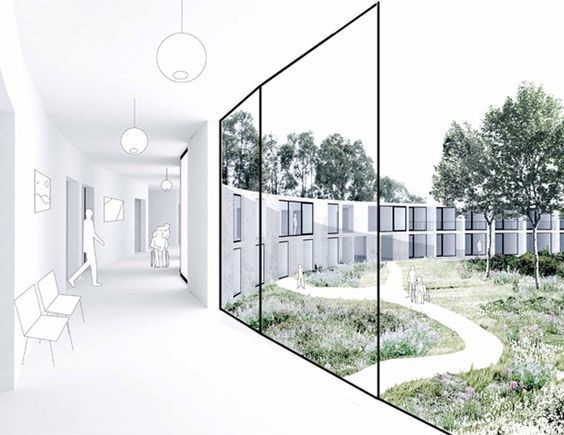
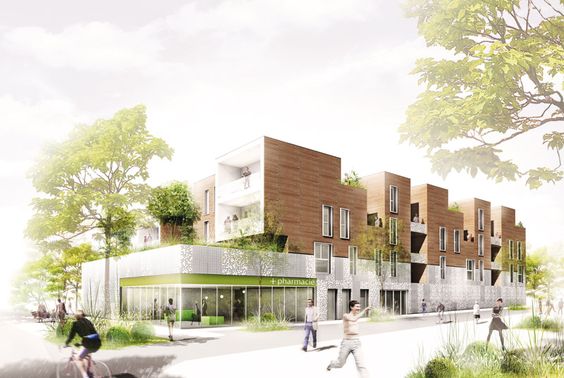
One main point: you are not required to use a special program, make photo-realistic views, or utilize any one style or technique in developing your drawings. What’s important to me is that your drawings show your project well and are made well. I’d much rather have one good line drawing where you’ve carefully controlled your lineweights and photoshopped in a few select things than 5 fully “realistic” renderings where the overall effect of all the materials and lighting and entourage is less successful. “Less is more” can apply to renderings in both quantity and technique.
Line is fine
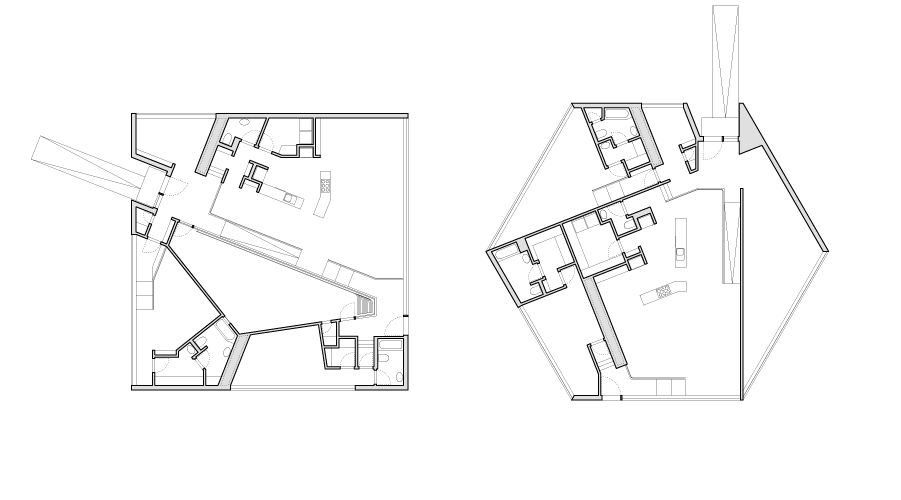
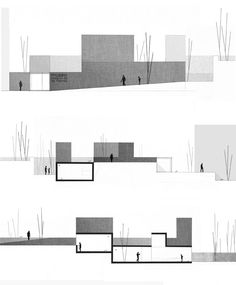
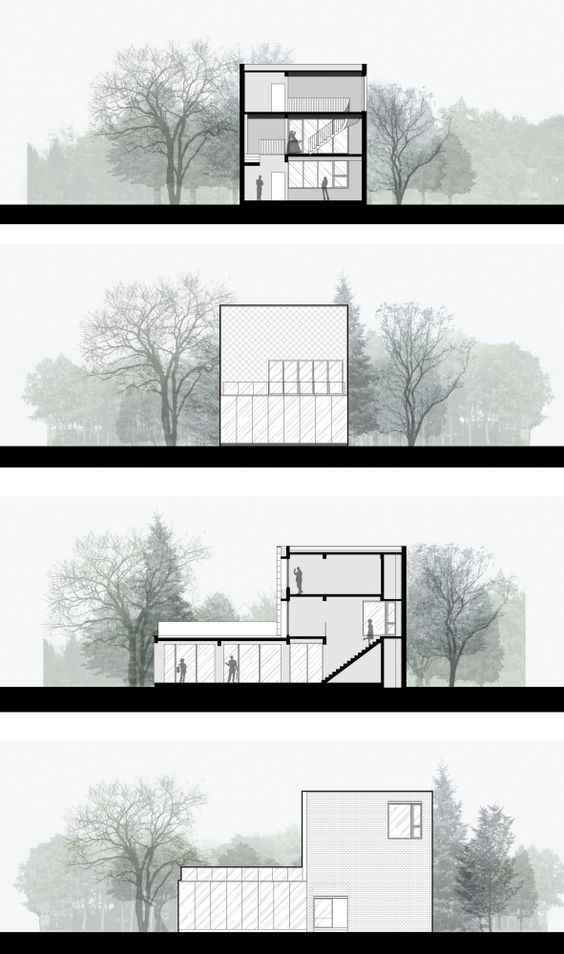
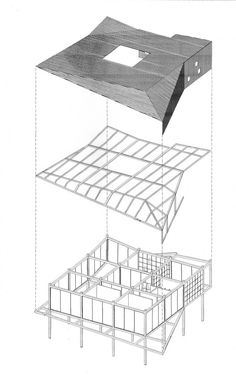
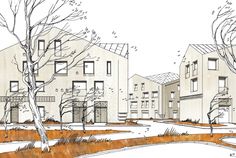
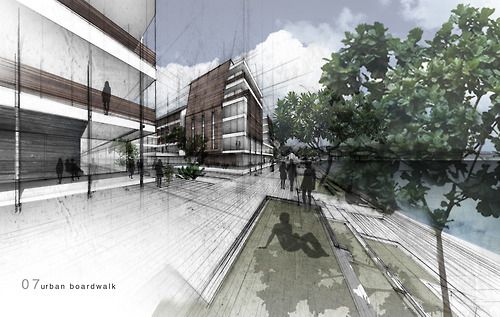
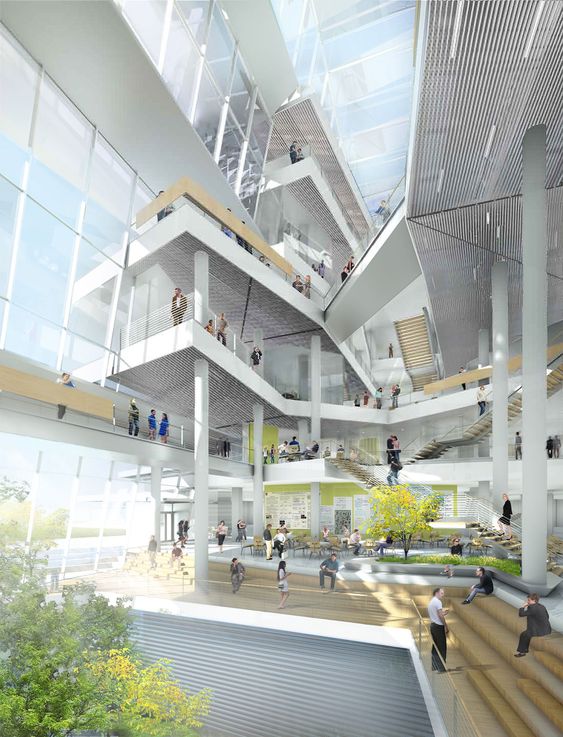
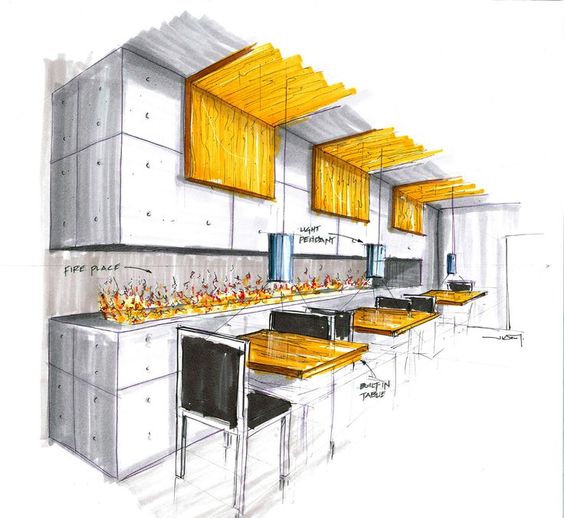
Selective areas of tone and entourage can draw attention but even just linework can clearly convey your design.
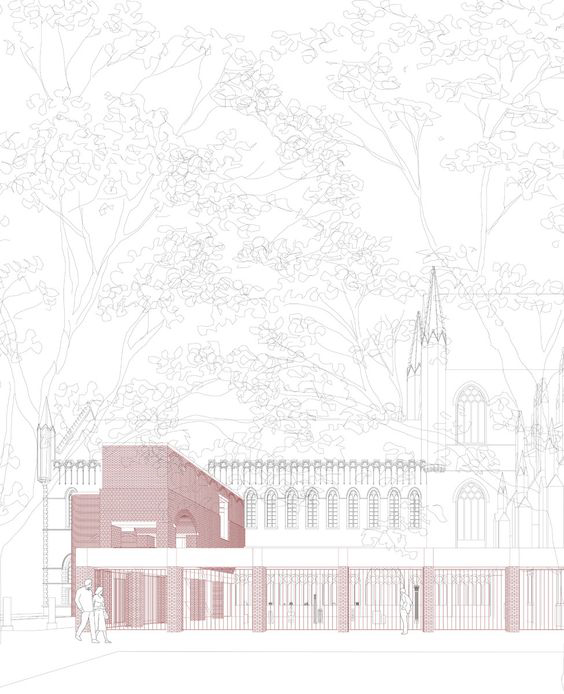
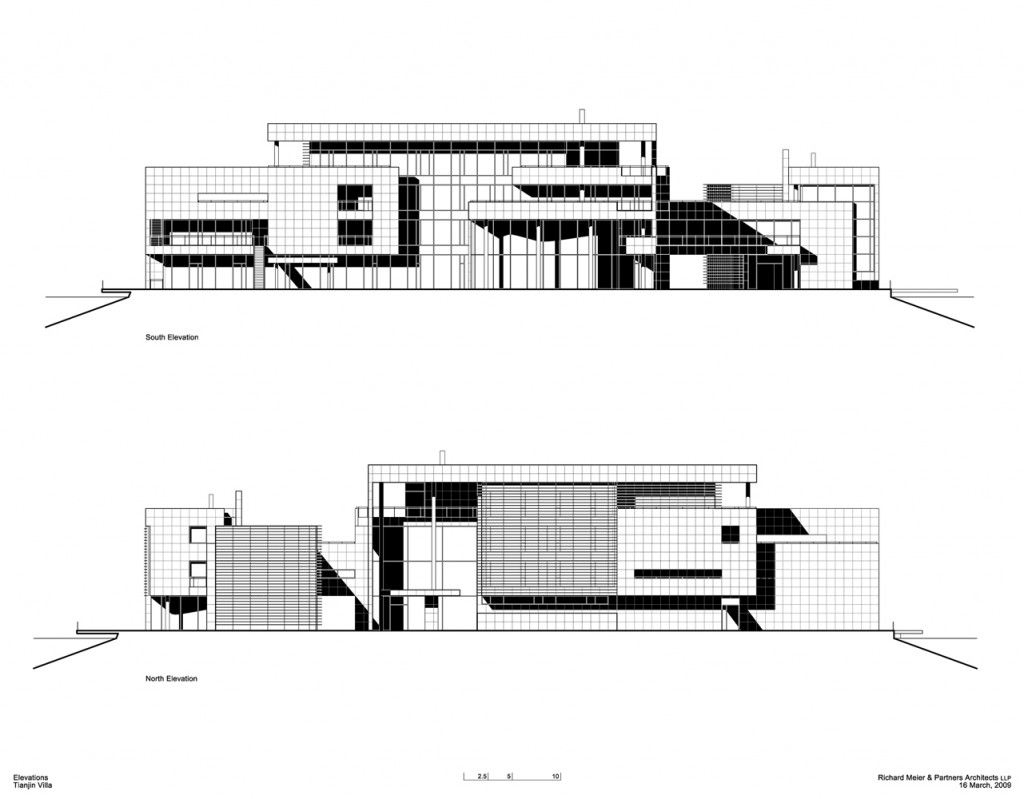
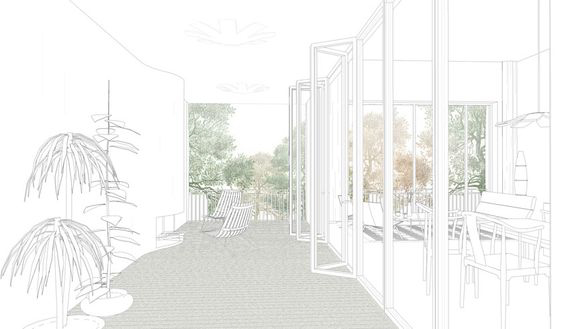
Abstraction is your friend
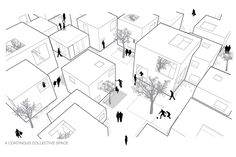
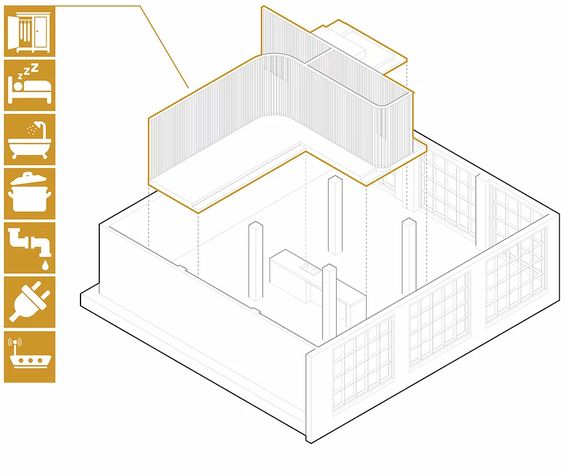
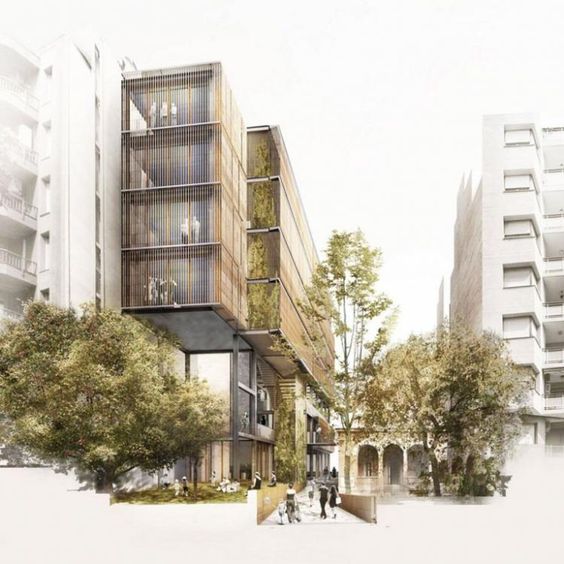
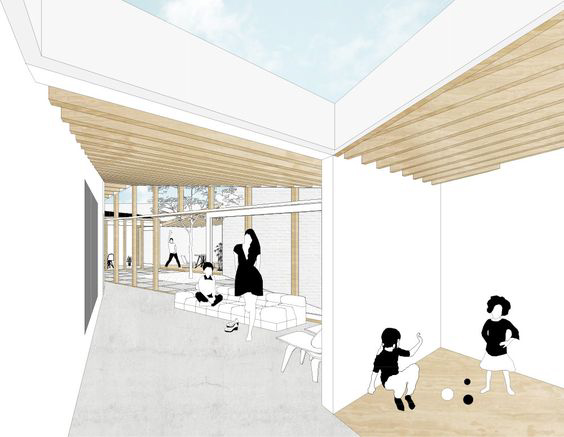
Draw attention where you want it by not drawing/rendering all things equally. White space where we don’t see much can be very informative.
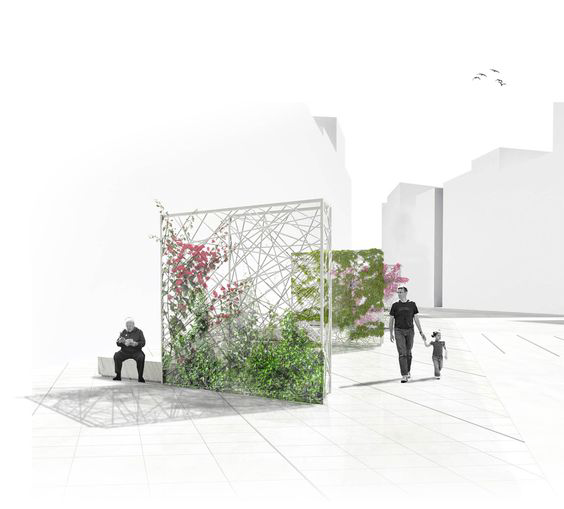
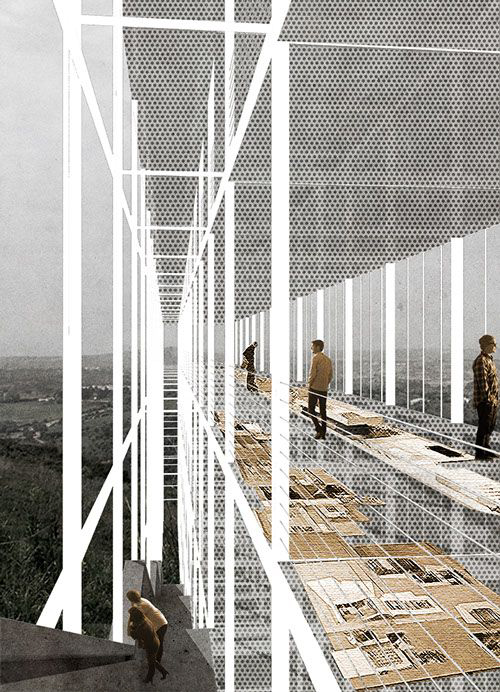
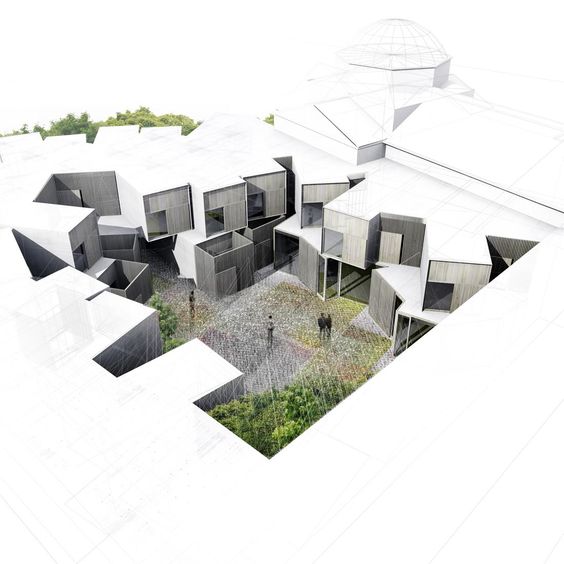


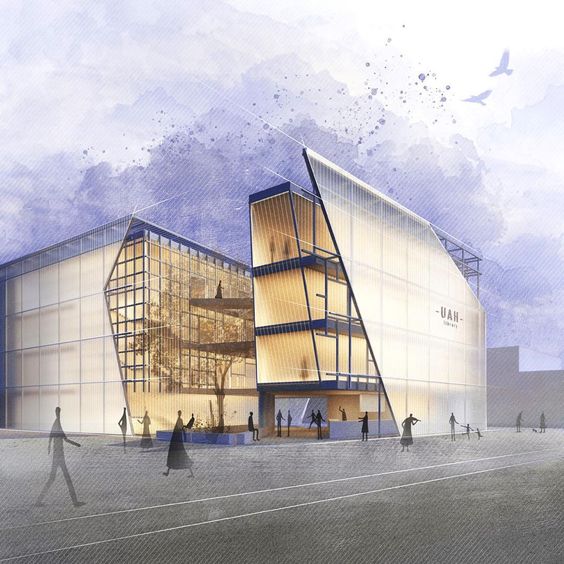
Rendering artistically, not photo-realistically
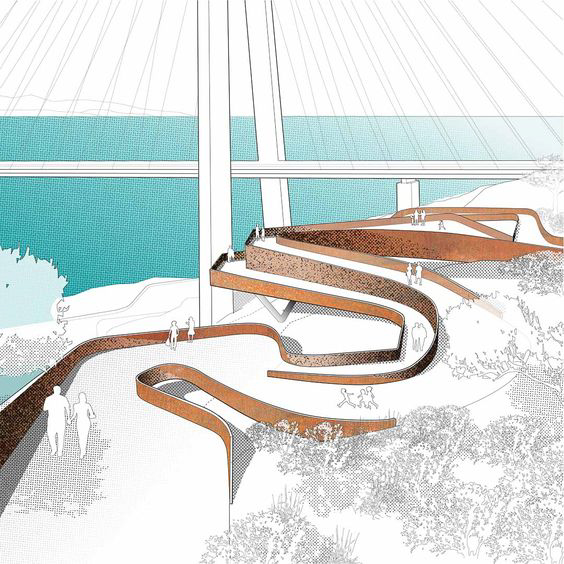
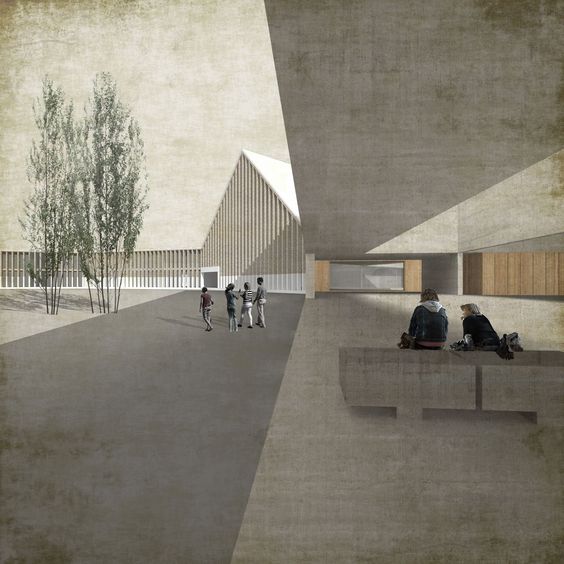
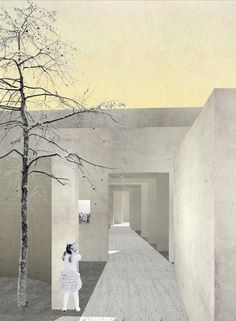
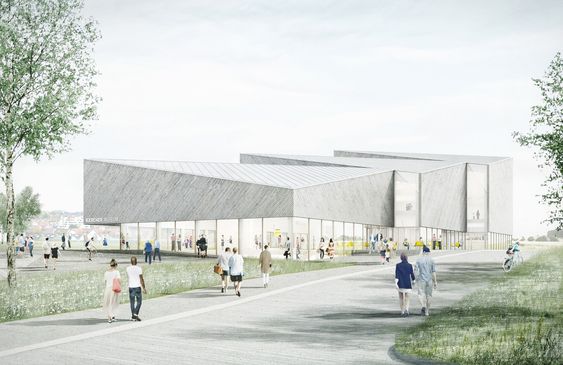
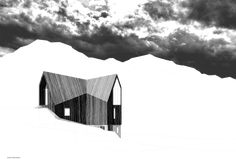
Using context images
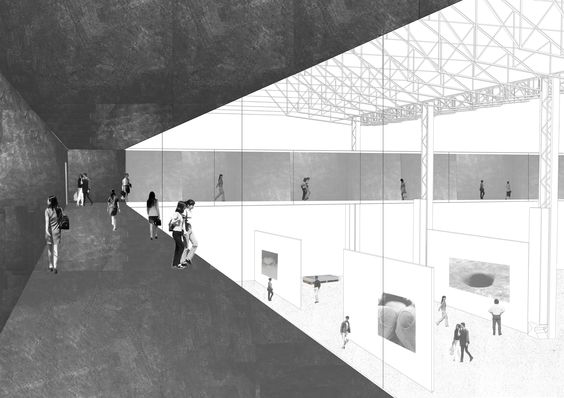
The skyline in the background, the adjacent buildings, even less identifiable context like sidewalk and street trees are readily acquired from site photos or the internet (everything is on Google Street View) and photoshopped into perspective views. Note how commonly the image is made black/white or otherwise manipulated to unify it with the representation of the project and/or draw less attention to the context than the project
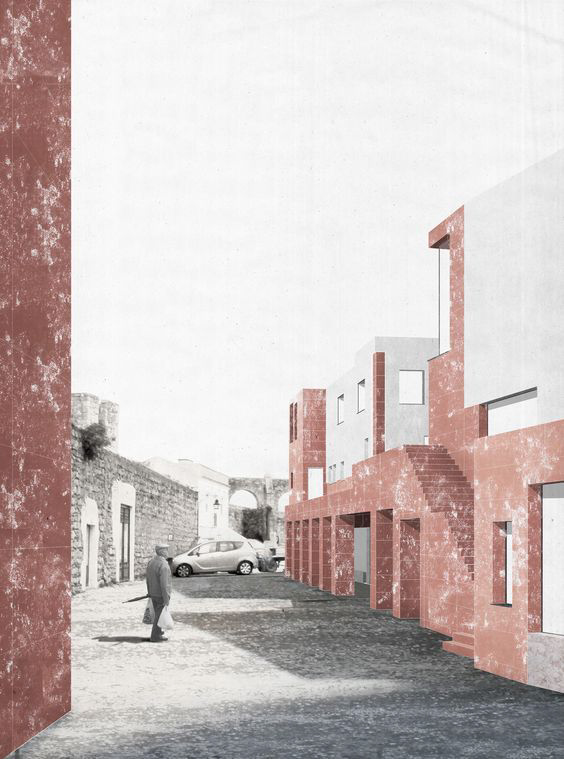
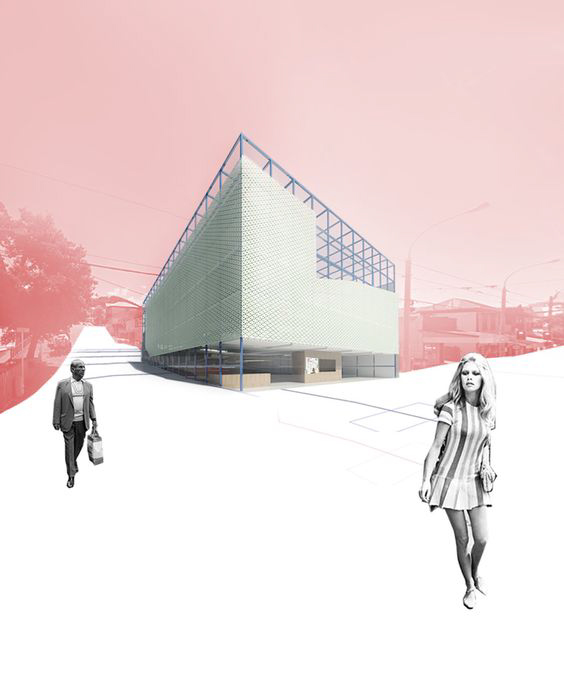


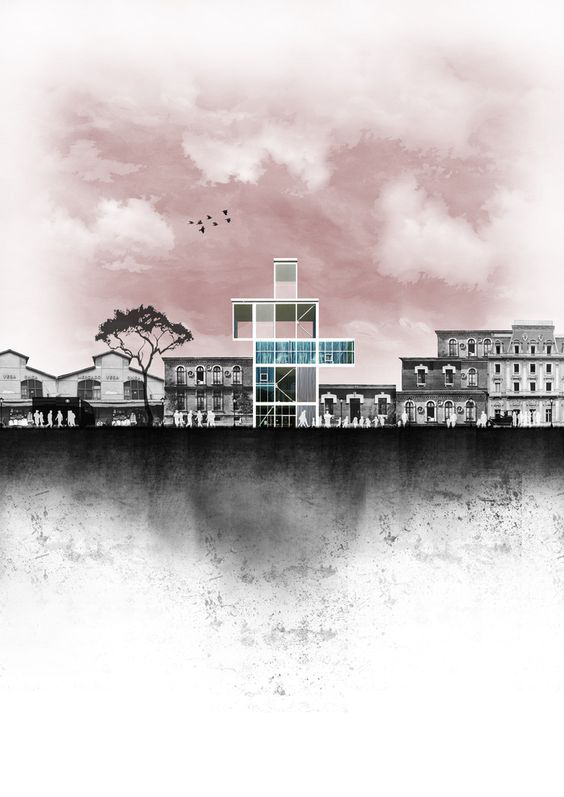
Selective Color
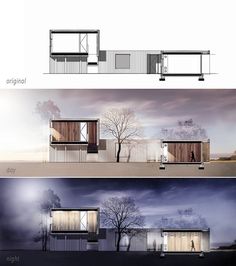
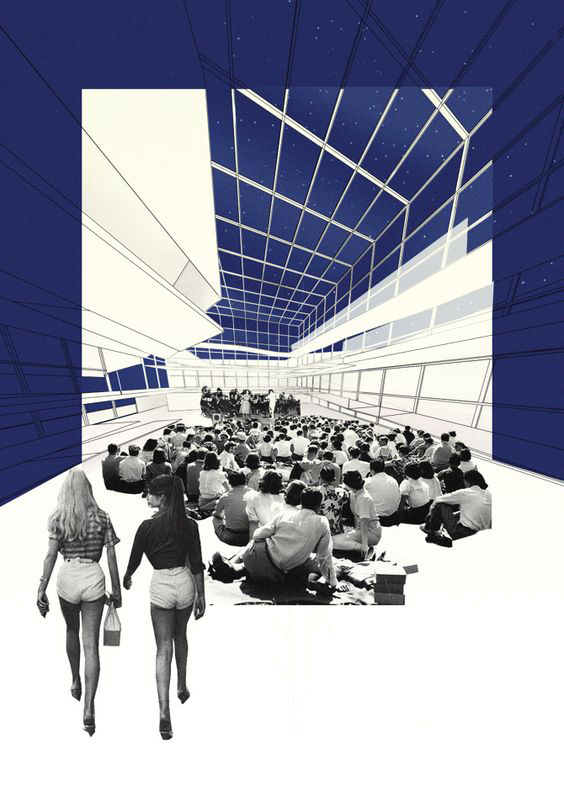
You can unify a presentation across drawings and highlight significant parts of your design.
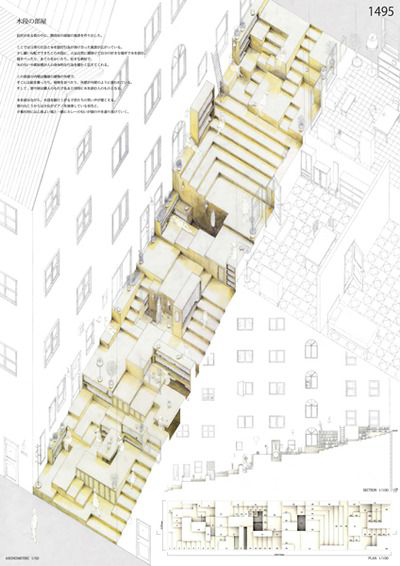
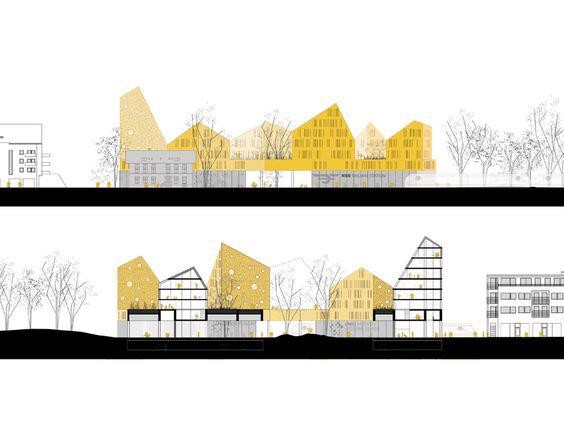
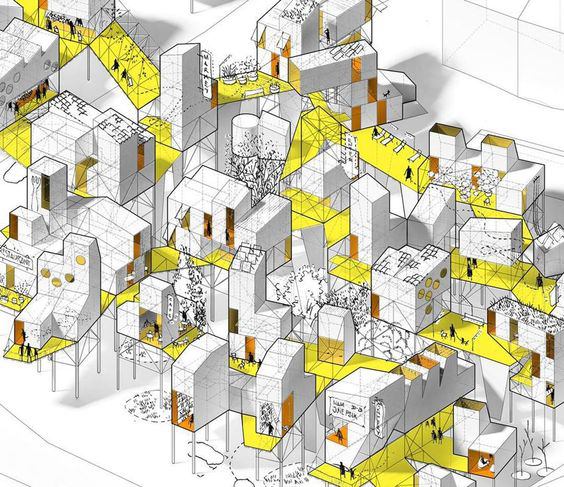
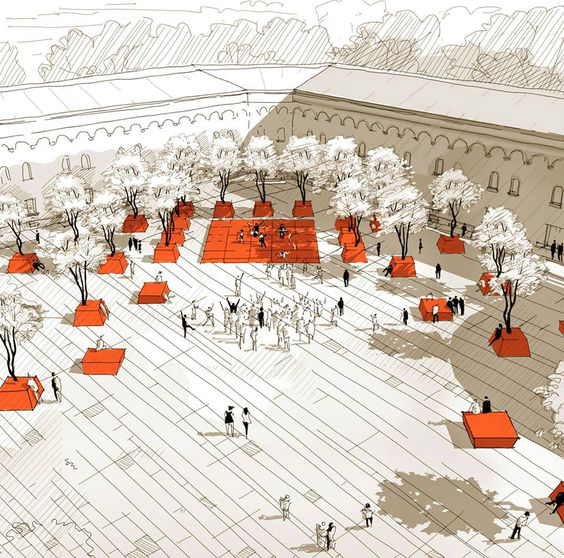
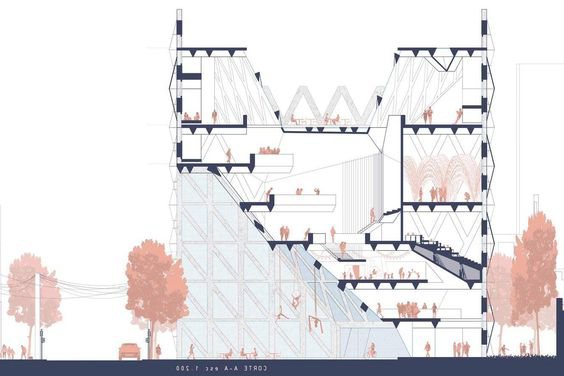
EXAMPLES BY DRAWING TYPE
Selected examples from Professor Park’s post (and a few additions) to show a range of graphic styles.
SITE PLANS
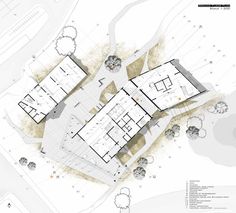
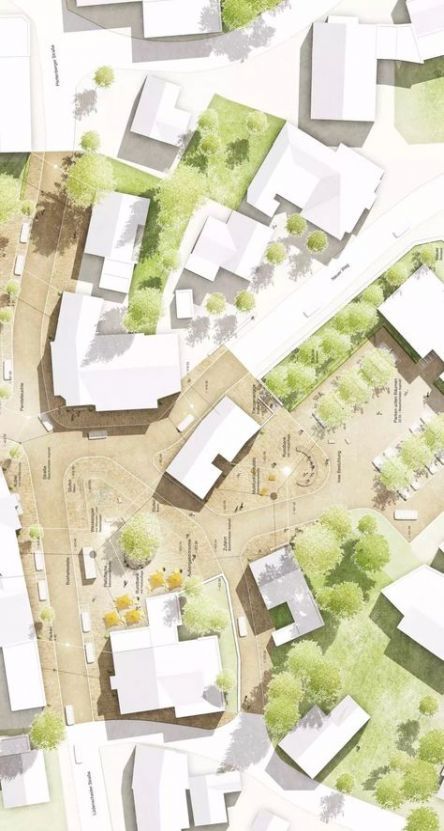
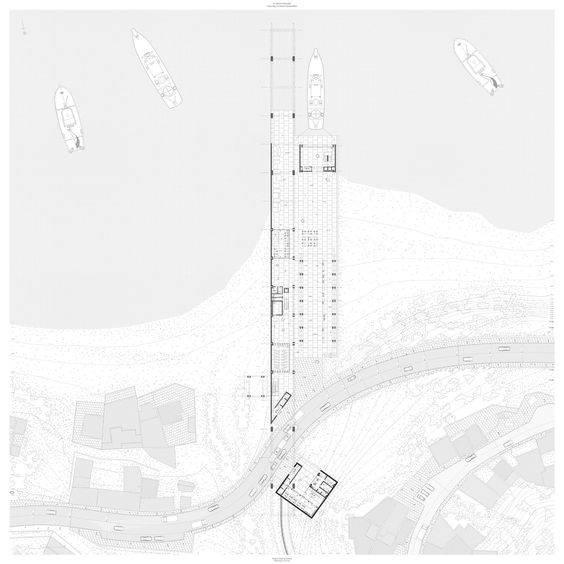
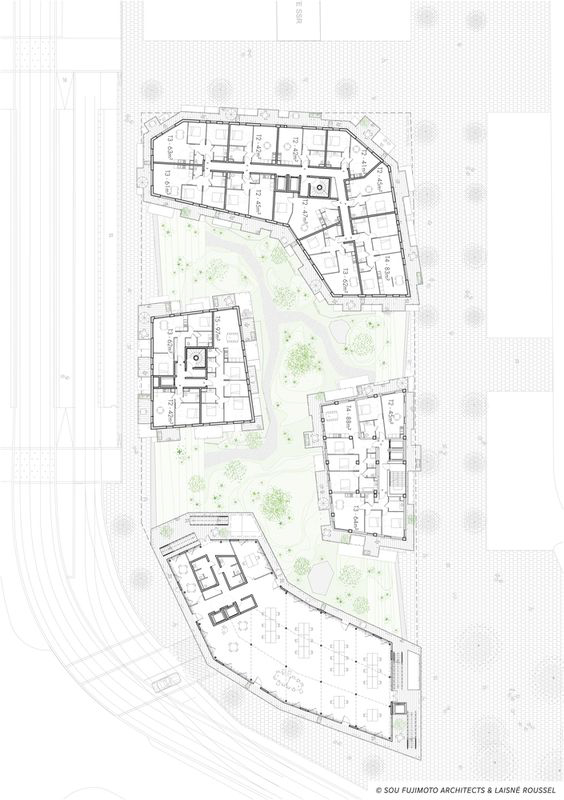
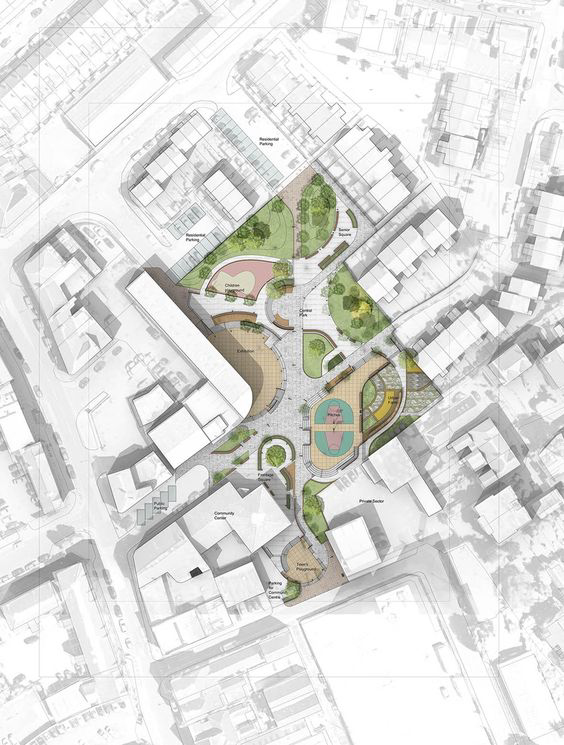
PLANS
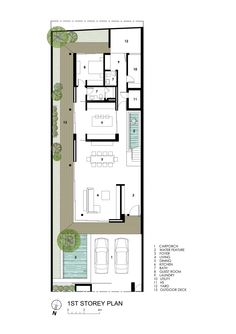
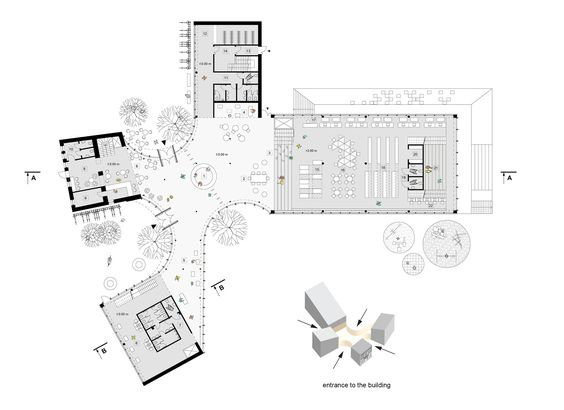
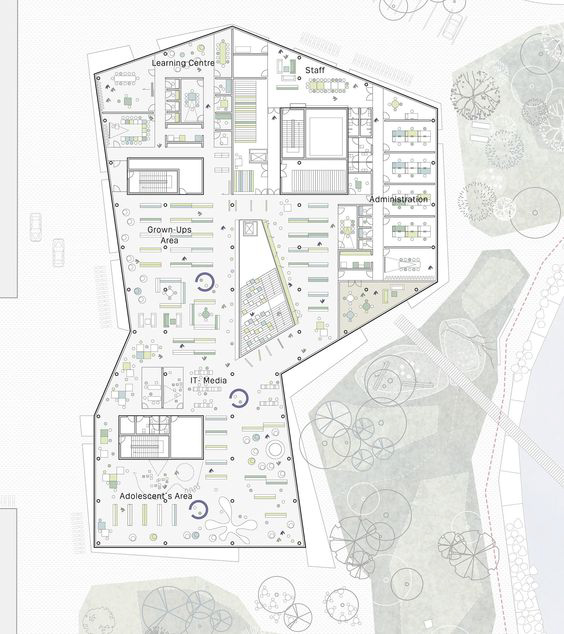
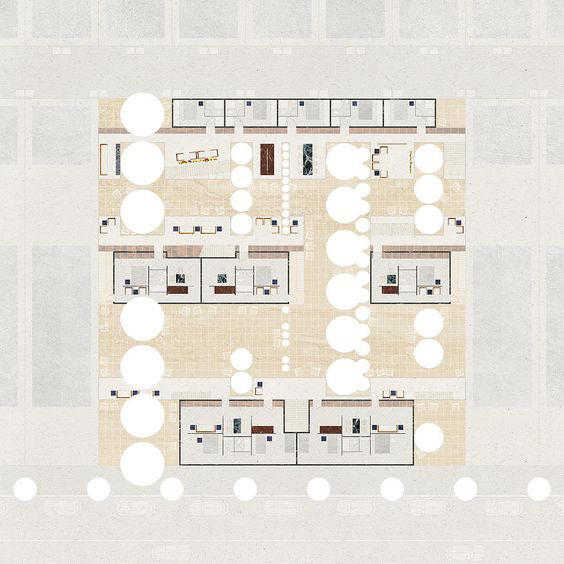
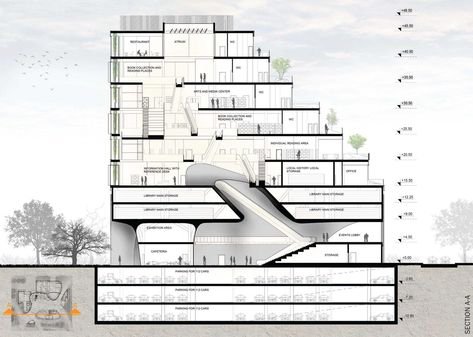
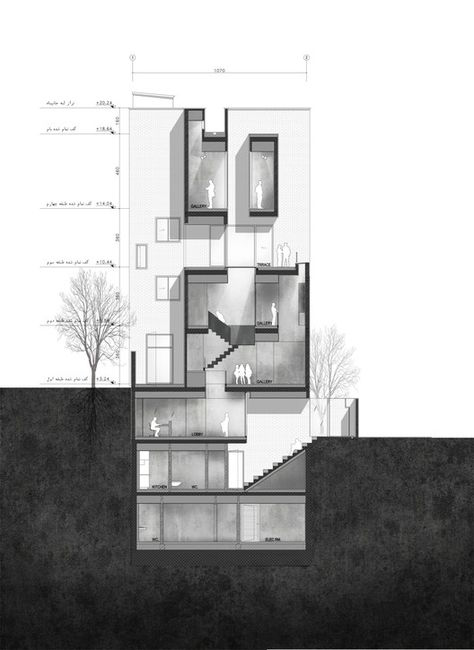
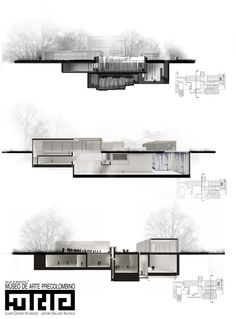
SECTIONS
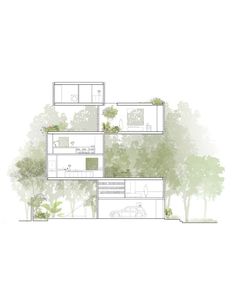
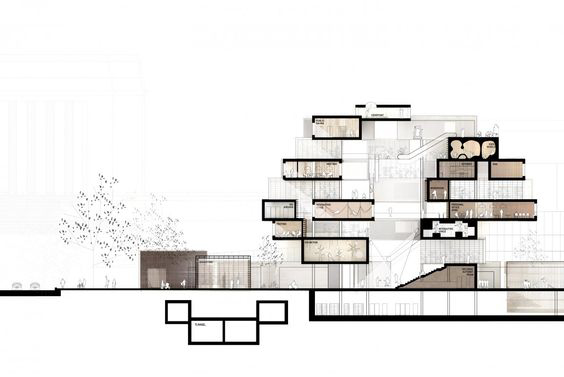
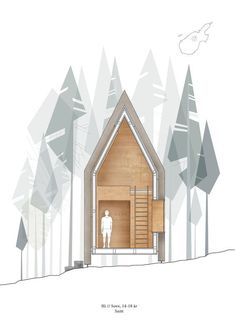
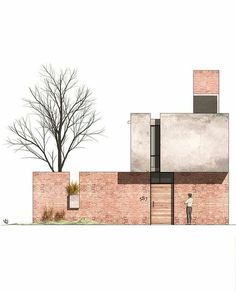
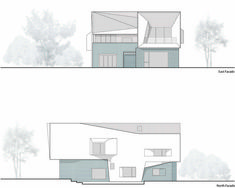
ELEVATIONS
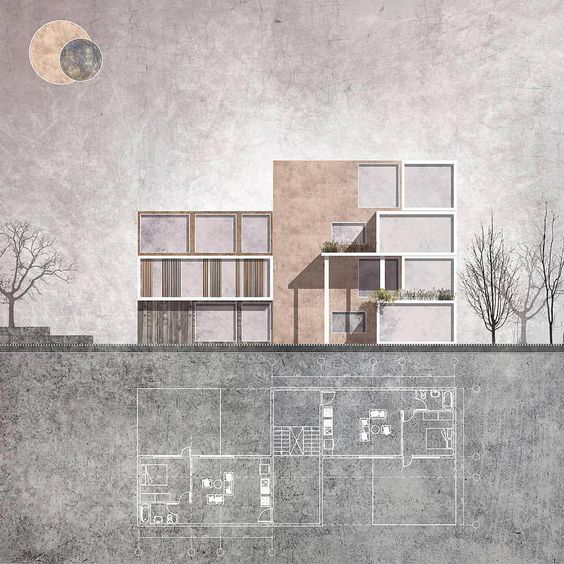
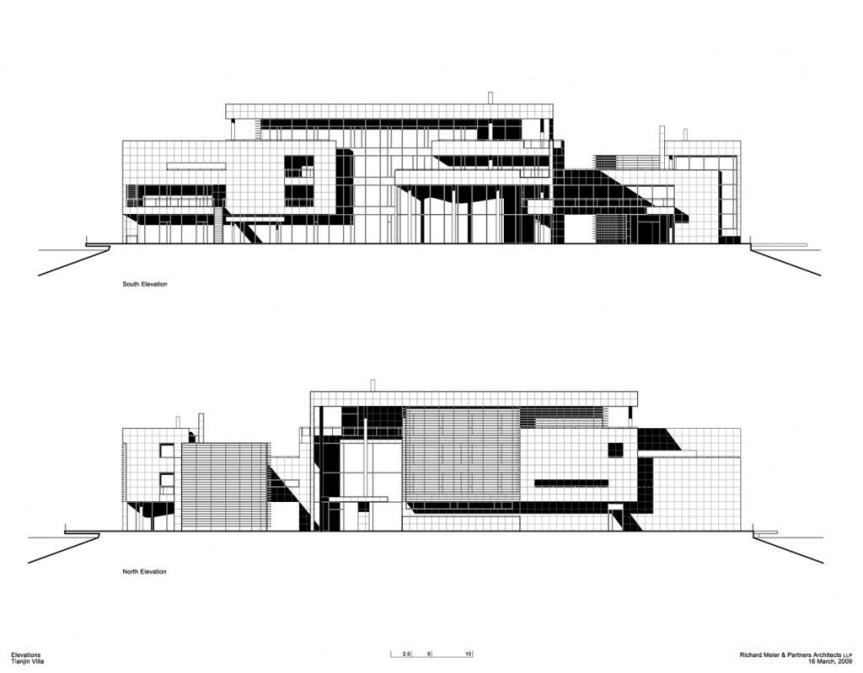
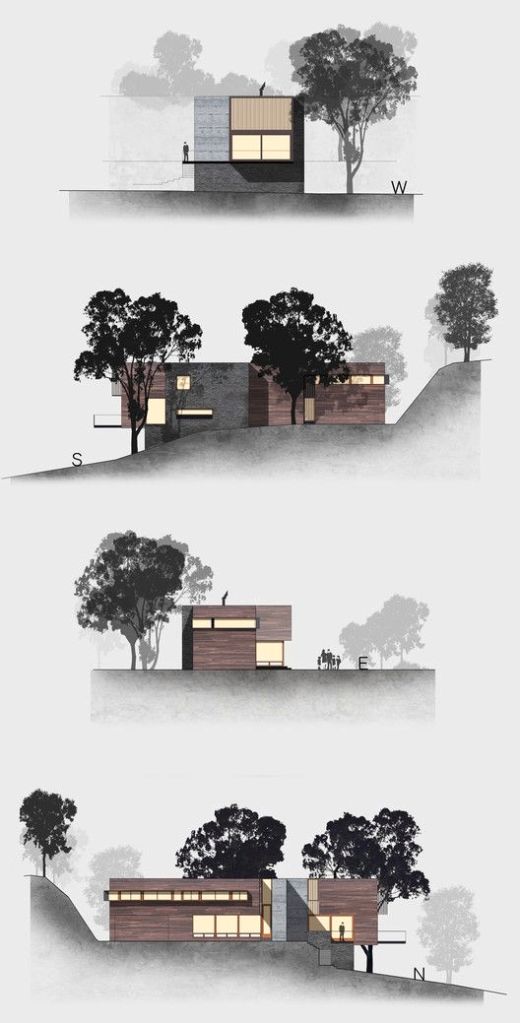
USED TOGETHER
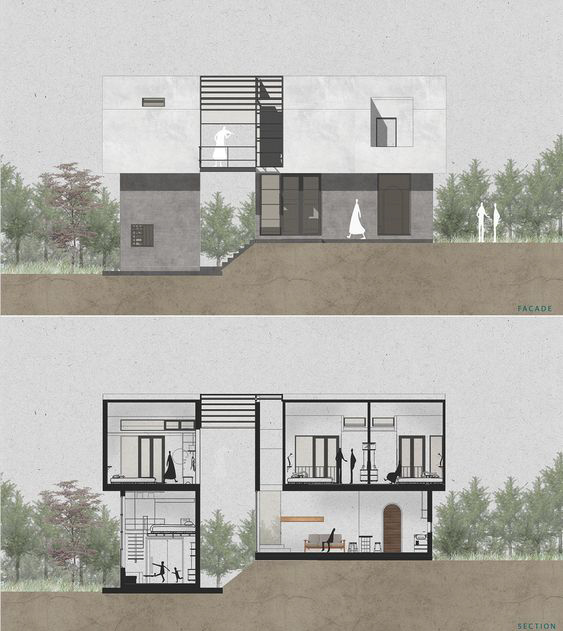
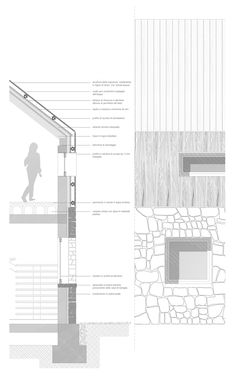
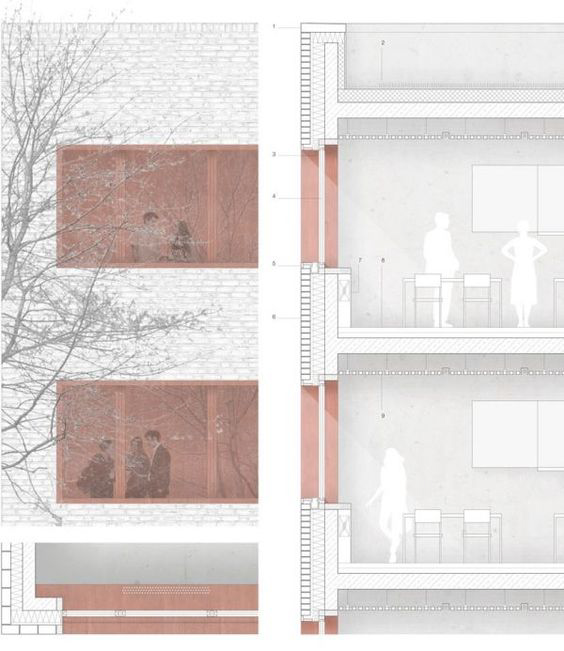
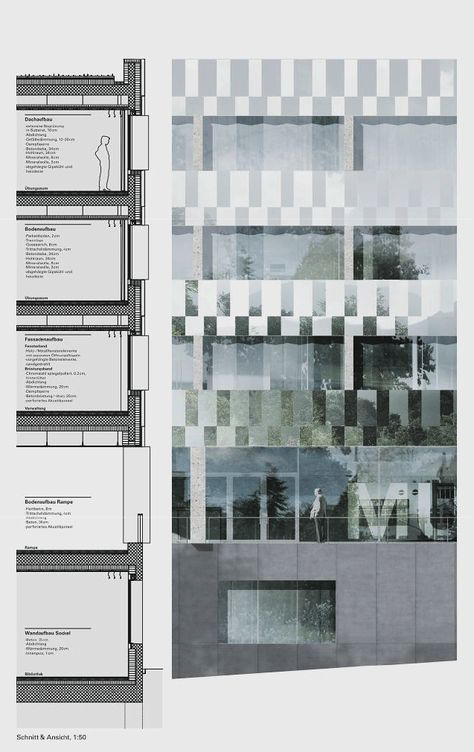
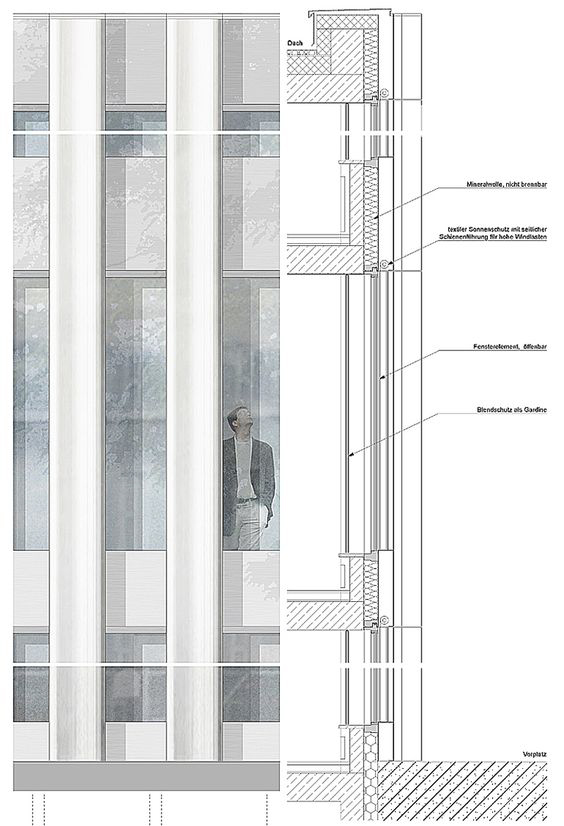
SECTION-ELEVATION DETAIL COMBO
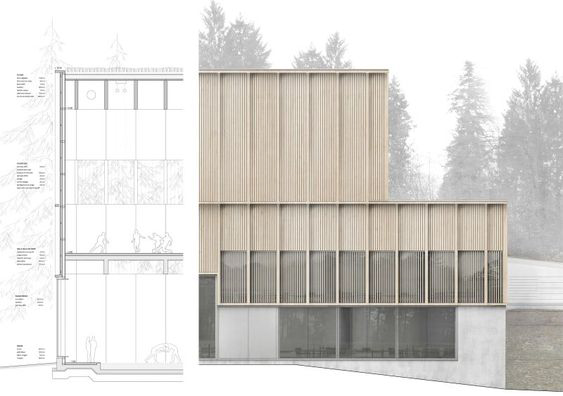
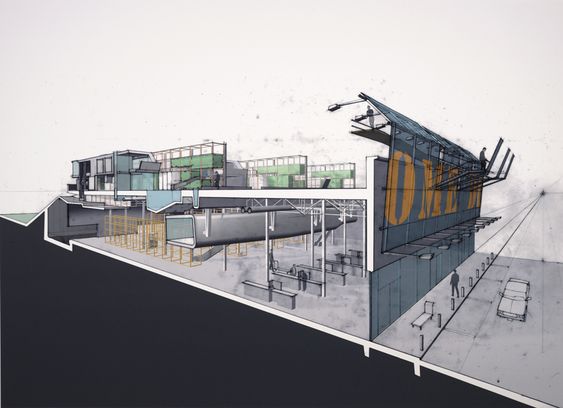
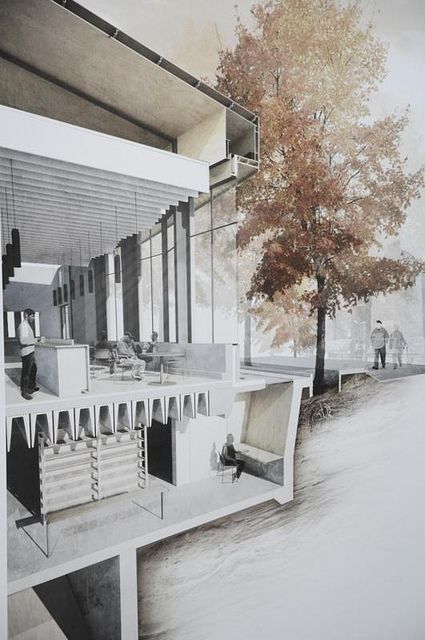
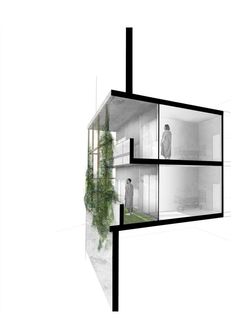
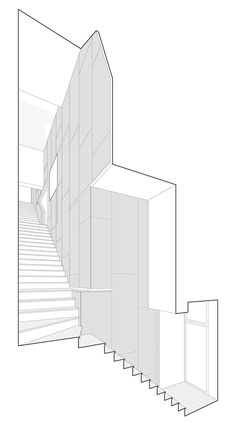
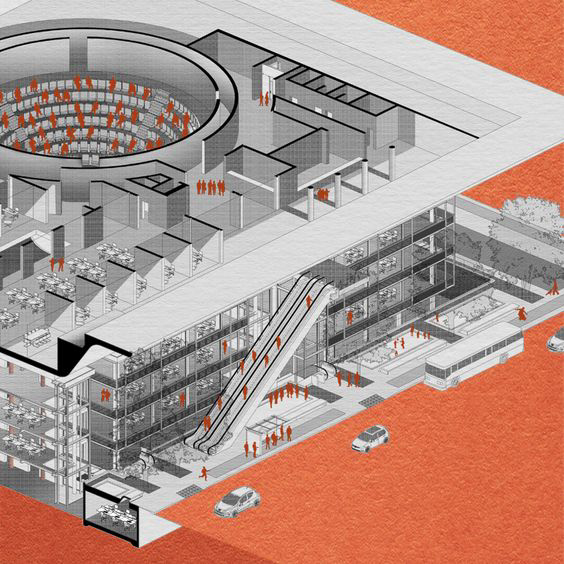
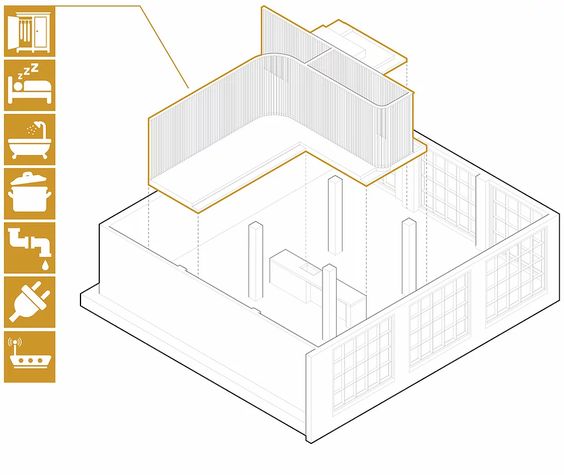
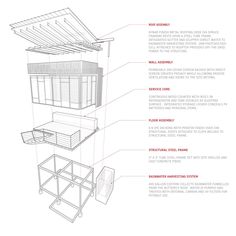
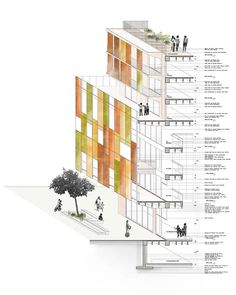
SECTION-PERSPECTIVES

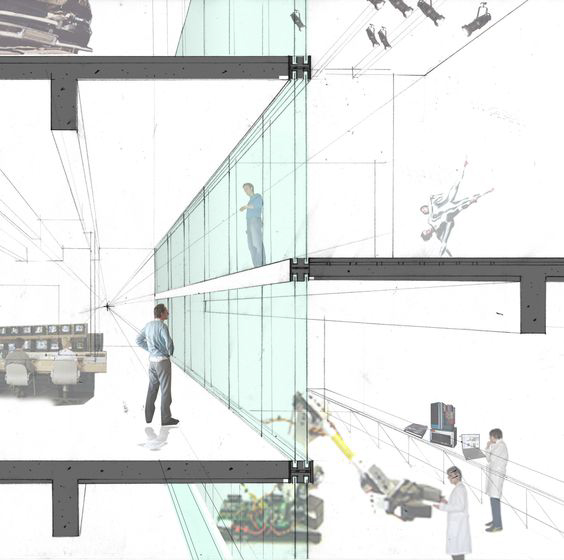
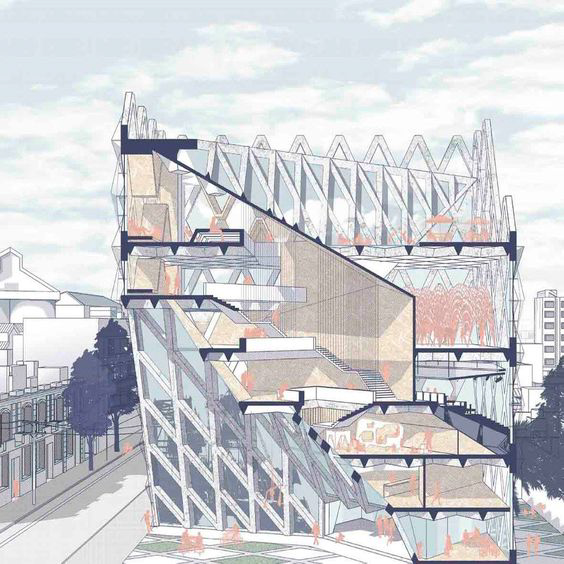
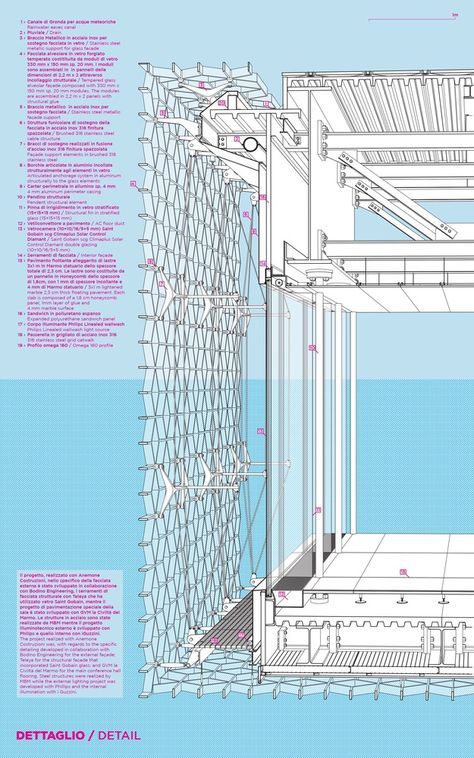
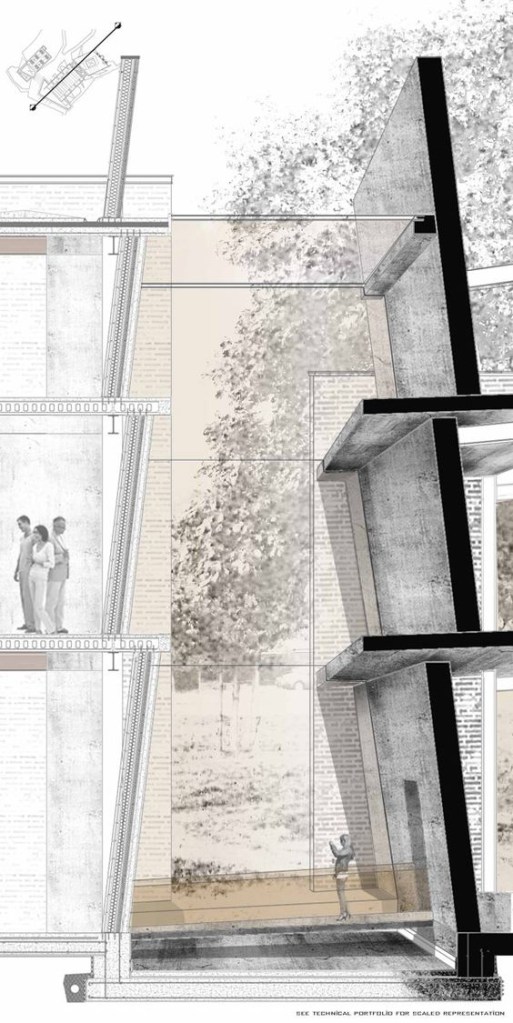
PERSPECTIVE-SECTIONS
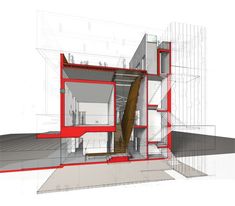
Instead of a true orthographic section with a one-point perspective, a 2-point perspective view with part of your building cut away as a section.
 Hathaway Section - Spring 2020