College students, Working people. Age of people ranging from 16-50.
Public facilities:
Theater OR Auditorium
Gym, Swimming Pool
Conference Rooms
Working rooms (students, Nearby Office staff, Building residents)
Maybe a game room?
Examples Phase:1-
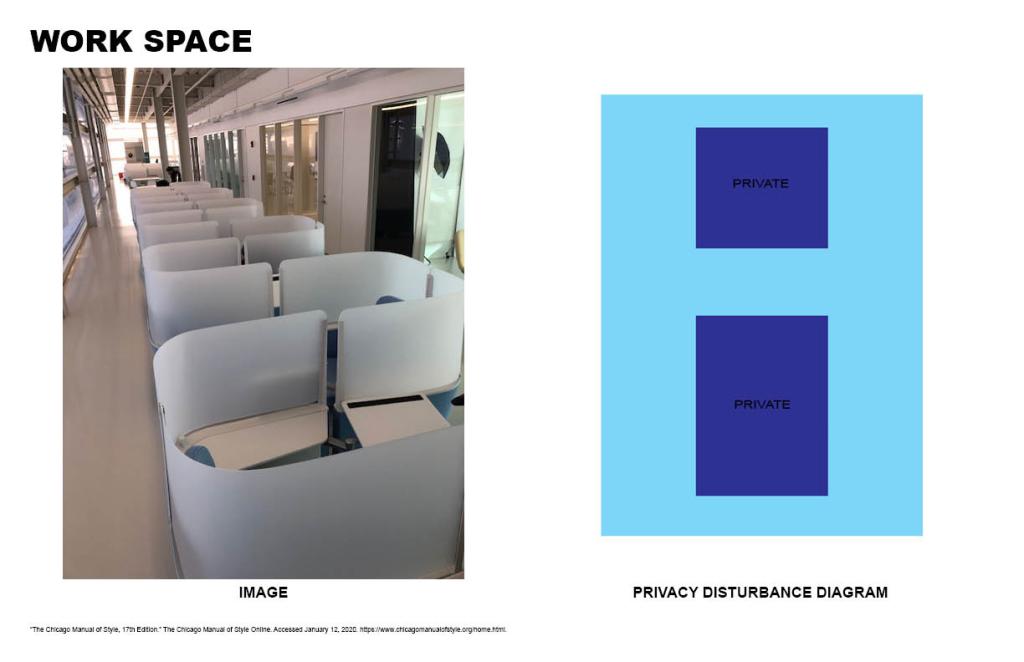
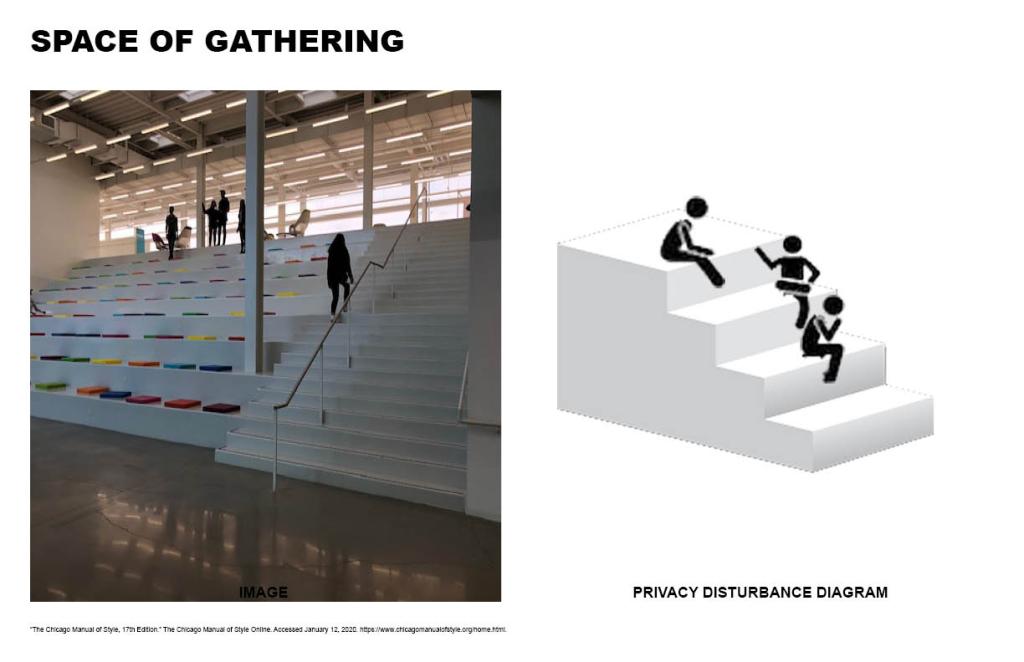
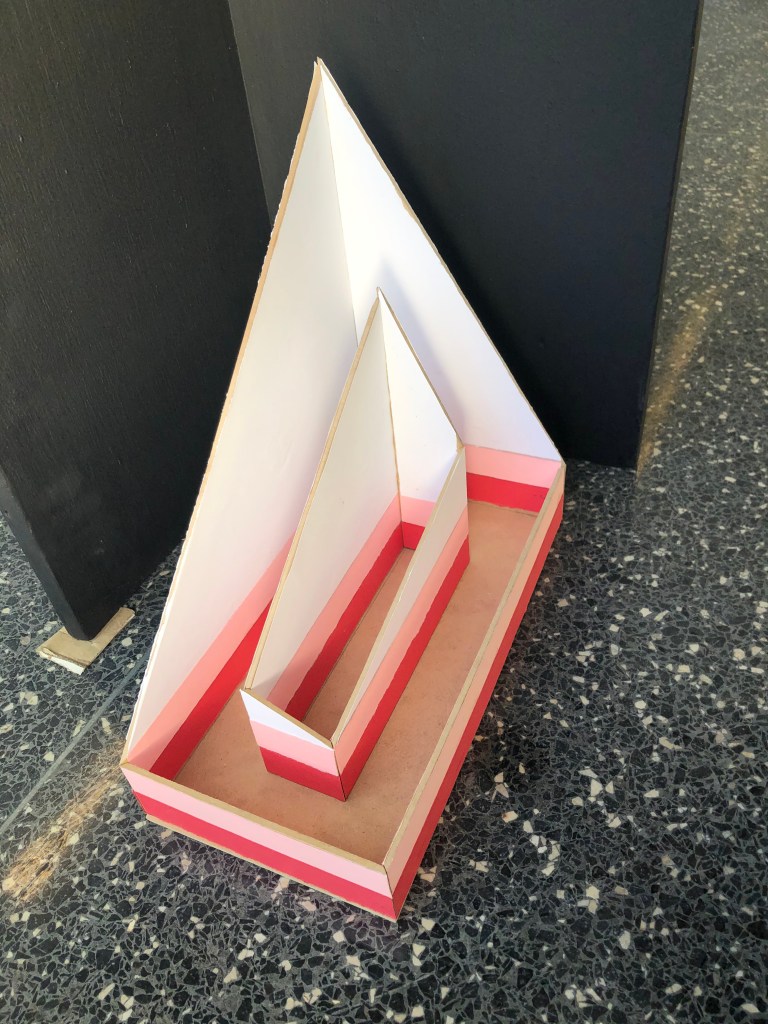
The Space provides privacy for students to study. The use of stairs for socializing is interesting. People can give lectures or speeches standing down and the audience will be sitting on the stairs. The space provides semi-privacy. The kitchen and living room being the most interactive spaces in a house are partially separated.
Phase 2:
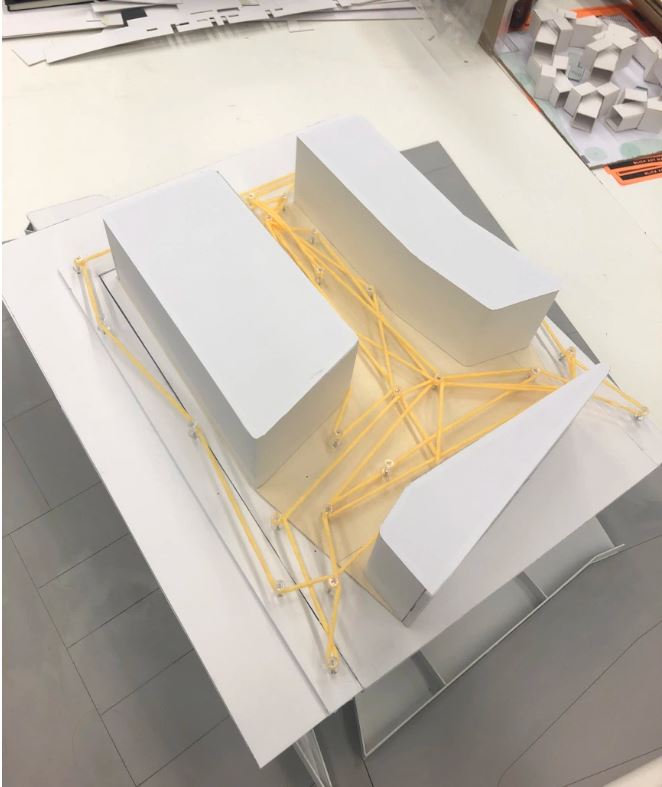
Weaving the circulation around the building. The Via 57 West is a great example showing the use of space by laminating the courtyard in between and using the courtyard as a space to socialize. The circulation shown by intersecting lines is an interesting way to show the movement of people.
Phase 3:
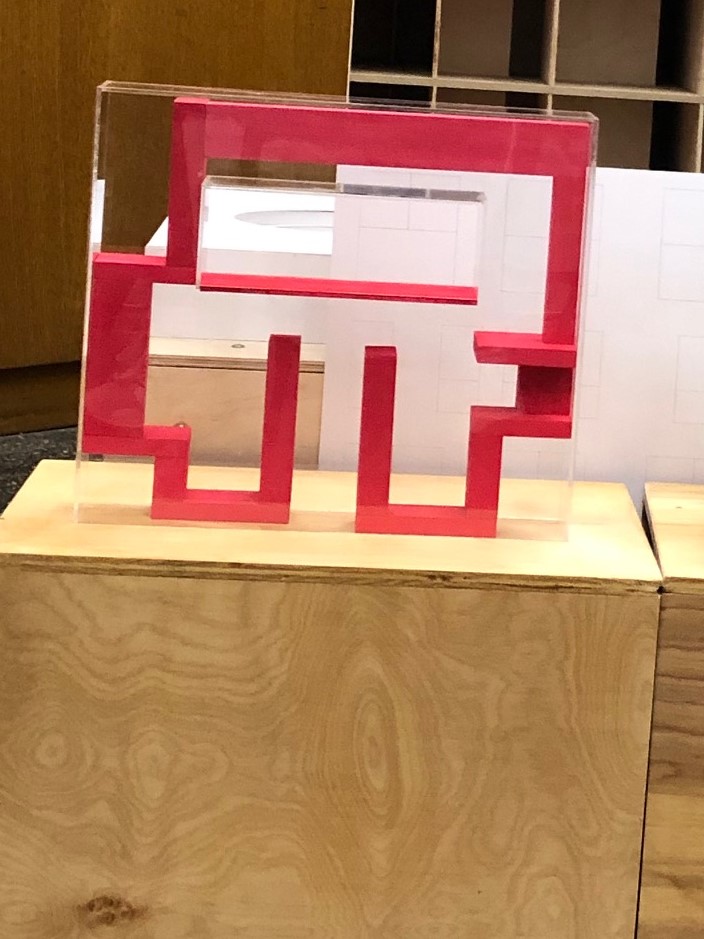
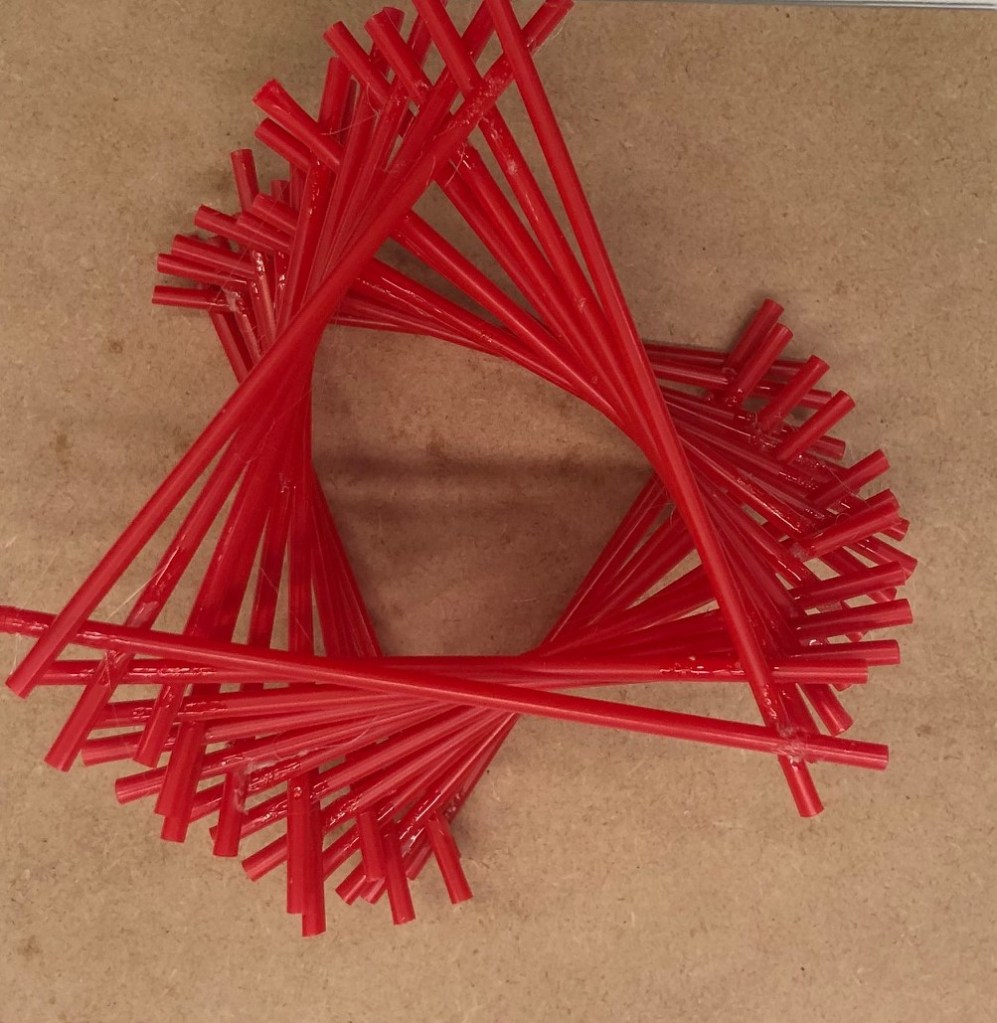
The triangles placed at different angles create stairs on the outside and inside connecting the people with the interior and exterior. People can also use the stairs as place to sit and socialize. The L shaped pieces start forming spaces on its own. It shows the movement of people in the whole area. The egg shells create a weaving for the movement of people.
for the programs and populations: if you had to start with just one group of people and one shared program what would they be? As another way of putting it: what is the one that the neighborhood is missing or needs to have added by your project?
What I’m looking for is your interest or passion as a response to the neighborhood.
You can always change or add more ideas back in but for Friday I’d like you to edit and focus on just a few things- choose the few that you believe in the most.
Same thing for the examples and precedents you’ve selected: is there one (or two) that you think are really the most interesting? Or successful? Let’s take them and see what you can learn from them and how they might apply to your building.
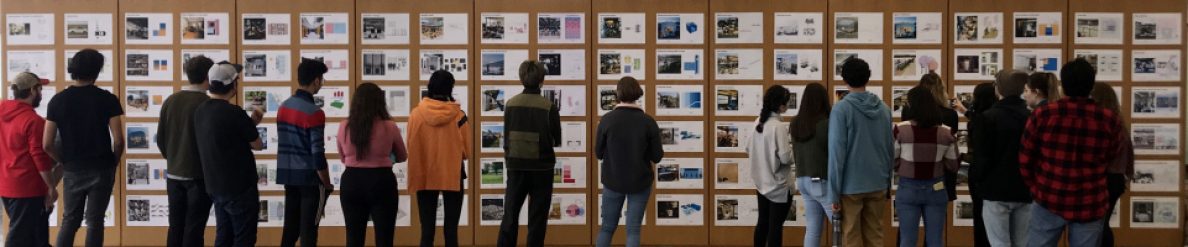
Just as a way of exploring, I’m going to give you a couple challenges to combine two of your examples. For Friday along with the other pages you’d like to show please include the following 11×17 pages:
1. Combine the rotating straws/stairs of your phase 3 model with the phase 1 example of the social gathering stairs to make something where the outside/facade of the “building” is a social space made by rotating and stacking and there’s an interior space within.
2. Take the s-shaped privacy work spaces from Kaplan (phase 1) as an idea. Scale it up and try to make a section diagram of a building that has different spaces on different sides of a “privacy wall”. Then using the language of Ruth’s eggshells to make a section diagram of a building made up of (large-scale) eggshells and how they might stack, nest, and create some private spaces and some overlapping or more public spaces.
3. Make your own combination challenge.



 Hathaway Section - Spring 2020
Rishi
for the programs and populations: if you had to start with just one group of people and one shared program what would they be? As another way of putting it: what is the one that the neighborhood is missing or needs to have added by your project?
What I’m looking for is your interest or passion as a response to the neighborhood.
You can always change or add more ideas back in but for Friday I’d like you to edit and focus on just a few things- choose the few that you believe in the most.
Same thing for the examples and precedents you’ve selected: is there one (or two) that you think are really the most interesting? Or successful? Let’s take them and see what you can learn from them and how they might apply to your building.
Just as a way of exploring, I’m going to give you a couple challenges to combine two of your examples. For Friday along with the other pages you’d like to show please include the following 11×17 pages:
1. Combine the rotating straws/stairs of your phase 3 model with the phase 1 example of the social gathering stairs to make something where the outside/facade of the “building” is a social space made by rotating and stacking and there’s an interior space within.
2. Take the s-shaped privacy work spaces from Kaplan (phase 1) as an idea. Scale it up and try to make a section diagram of a building that has different spaces on different sides of a “privacy wall”. Then using the language of Ruth’s eggshells to make a section diagram of a building made up of (large-scale) eggshells and how they might stack, nest, and create some private spaces and some overlapping or more public spaces.
3. Make your own combination challenge.
LikeLiked by 1 person