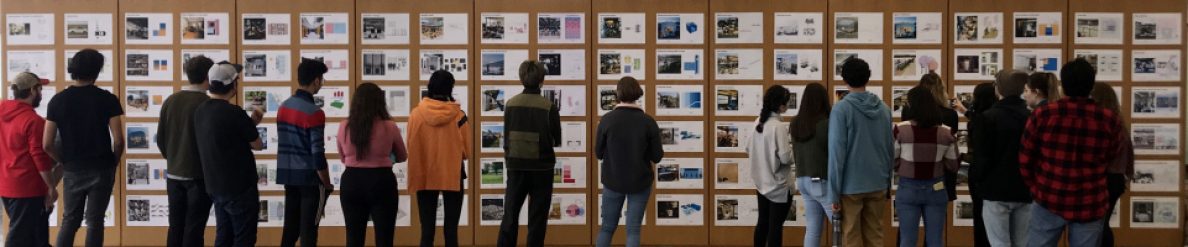
Populations and Program
I think creating a mix of affordable living and more expensive living would be beneficial to the neighborhood. This will being in younger people and people from the surrounding neighborhoods into Hyde Park, while also attracting the people that already live there. I also want to mix the groups of people living here. Mixing young couples looking to make a family and single people. Because the vast amount of school options and the safety of the neighborhood, Hyde Park remains attractive for young couples. For the single people, the neighborhood still offers many things to do such as many retail stores and museums to visit. For my program I feel like to more successful precedents we looked at were ones that incorporated the community as well. So I think maybe having an art studio/exhibition space, library, or child care center could benefit the community.
Sharing

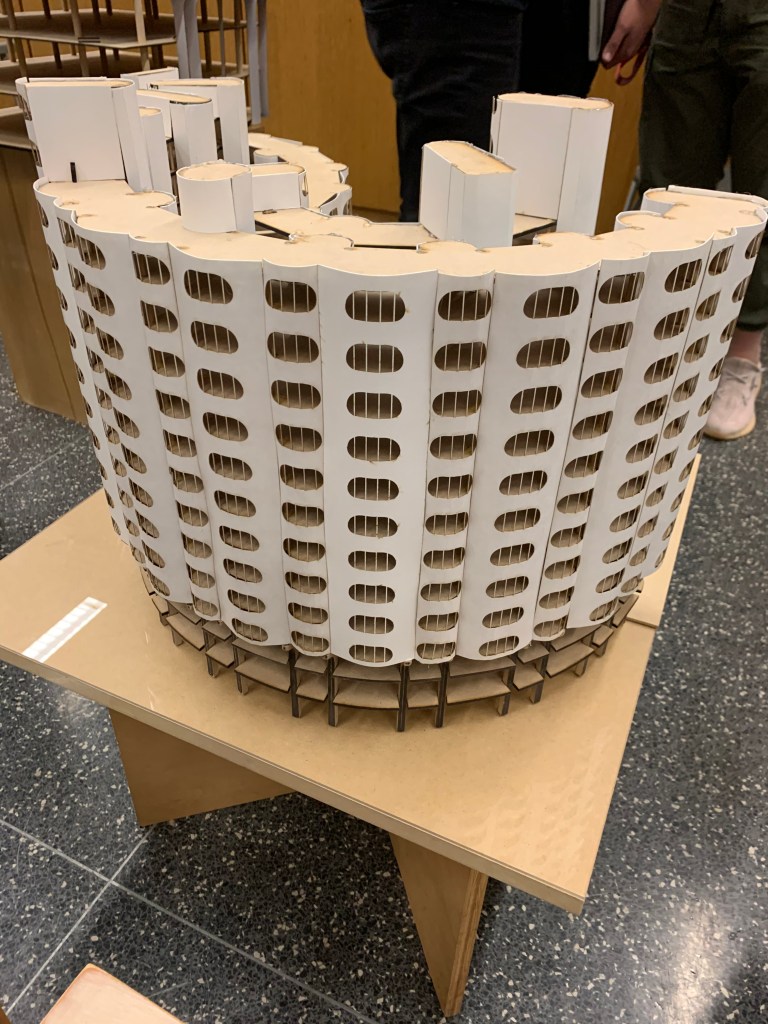
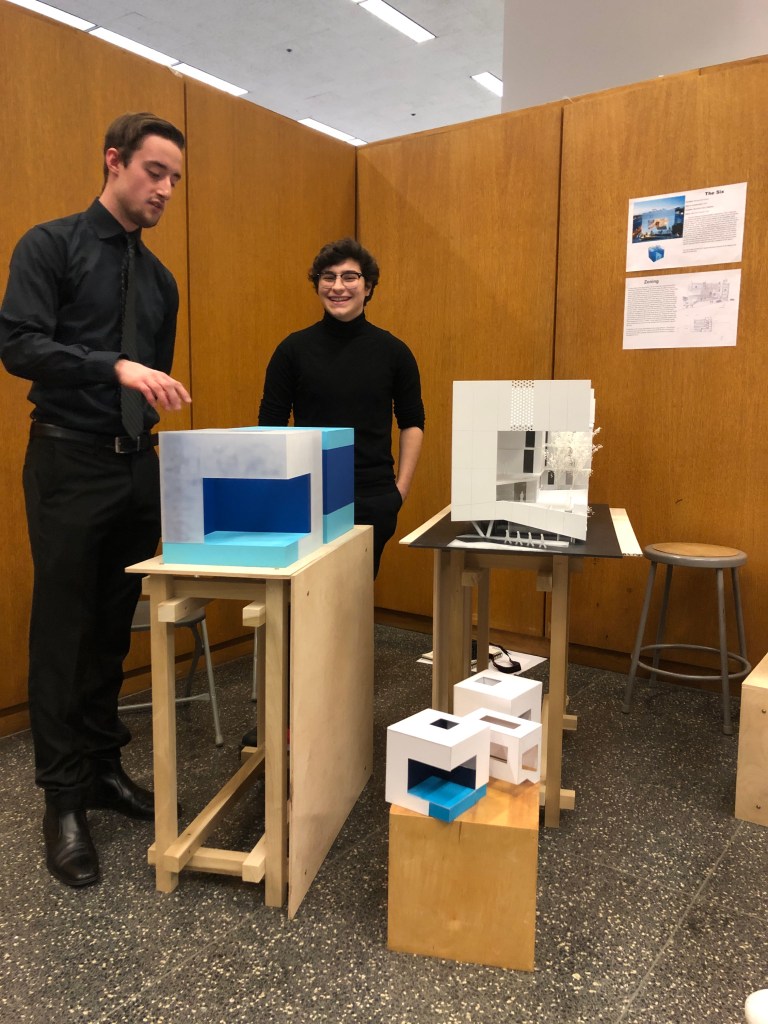
These precedents allow for the for more of the community to interact with the building, rather than just the people residing within. I think this can be successful in Hyde Park seeing that there are many different groups of people that live there.

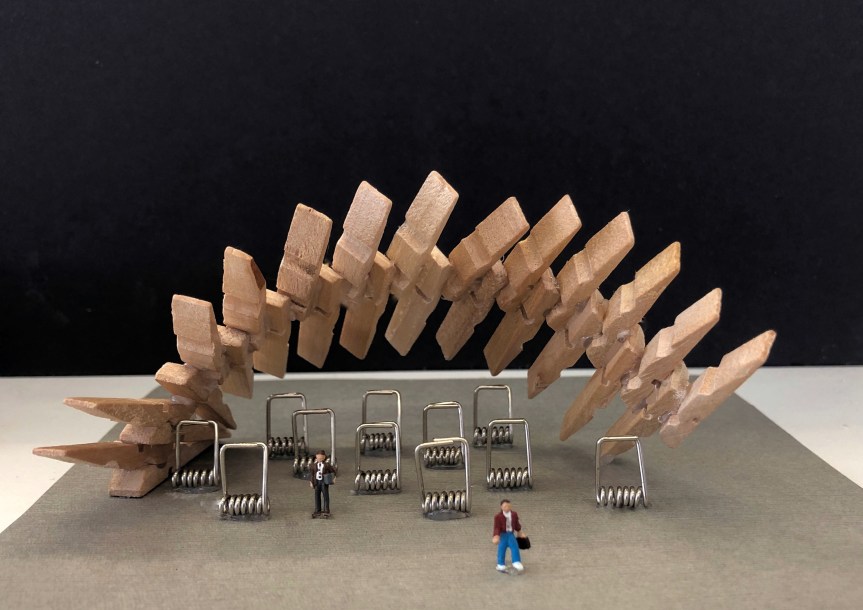
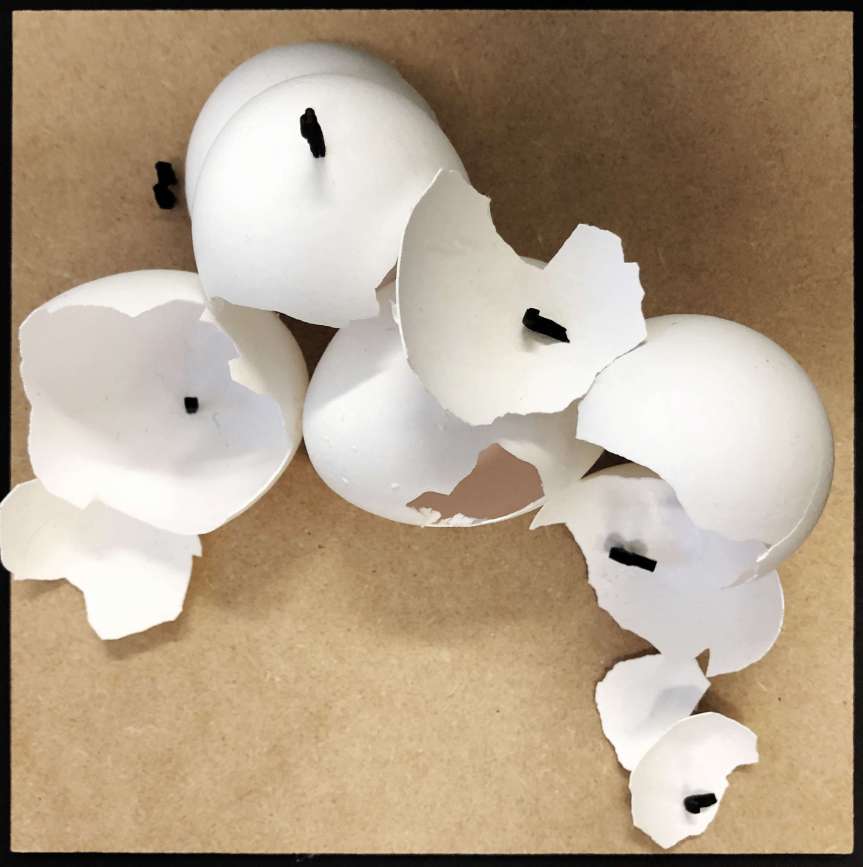
I think these study models make interesting spaces of gathering. For the egg model and the Cheerios model, I like how the form is layered which creates unique spaces for the user to interact with. For the clip model I can see this as where the community interacts with the building and acts as a threshold point for either the residents or the community members.


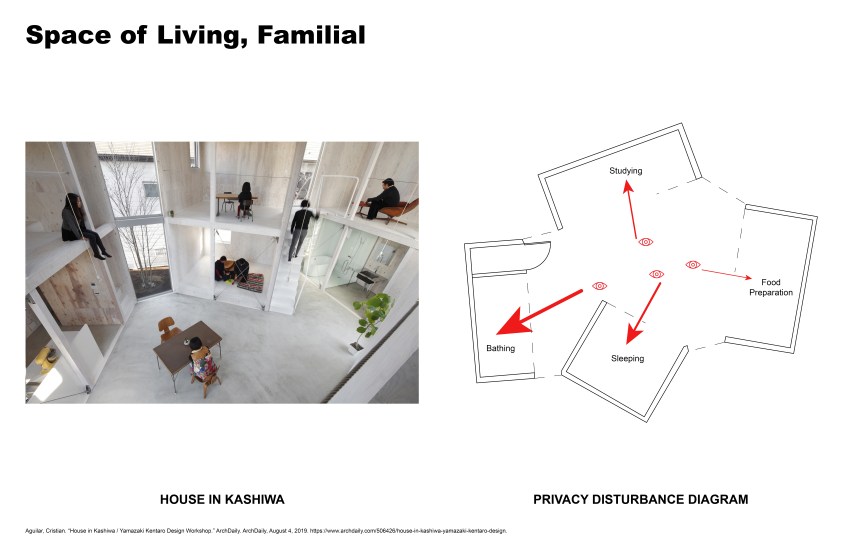
I think gradually moving the level of privacy up throughout the building is an compelling idea. Opening up to a communal garden area could be something to look into as well, or maybe a art exhibition space. The other two diagrams show how privacy is broken visually but not physically. There is another diagram that shows this being done on balconies but I like how these play with different planes and levels.
 Hathaway Section - Spring 2020
Trevor
I like the idea of mixing incomes in your residents- that alone will make for a series if interesting decisions as you develop the design.
When you say people who already live in the neighborhood, families, younger people, can you break that down into a couple of clear demographics for discussion purposes. ie:
– singles 18-24 new to the neighborhood
– couples with young kids (making them likely 25-45 low-income from surrounding neighborhoods
etc.
In the phase 2 examples you chose I see a consistent thread of central gathering spaces- I think these ones are more for the residents (even River City doesn’t have much in the central hall other than doors to apartments) but in your project you can decide: is the central space for residents only? is it an outdoor space? what’s it for? how does it relate to the residential units? Is there more than one of these spaces? You can test answering these questions by drawing diagrams…
Your phase 1 examples go really well together: I see a connection between the residences of Star Apartments and the House in Kishawa, with a key connector/differentiator being the visual connection highlighted in MPCC. Can you literally borrow the diagram of the Kishawa house to create a public space with a clustering of residential spaces? How does view/privacy/transparency play into that?
How can you also draw on the formal experimenting you gathered from Phase 2. Draw the House in Kishawa using eggshells to create the spaces?
LikeLike